
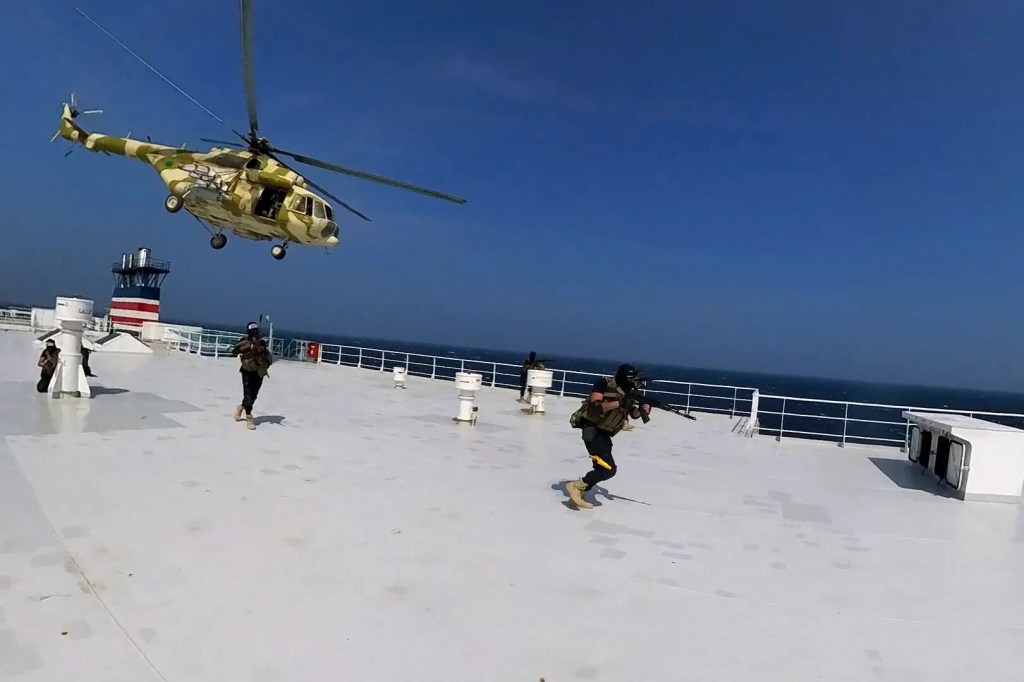
In an extraordinary showcase of naval prowess, the United Kingdom and United States navies have forged a strategic alliance in the Red Sea, combining their maritime strength to fortify security and shield essential global trade routes. This collaborative effort represents a groundbreaking milestone in maritime safeguarding endeavors, aimed at preserving the fluidity of commerce and upholding the core tenets of international maritime security.
The ongoing joint naval operations, featuring the Royal Navy’s formidable frigate HMS Trent and the US Navy’s mighty destroyer USS Mahan, stand as a testament to the unwavering commitment to maritime defense in the Red Sea. This naval task force collaboration not only signifies a remarkable display of international maritime security but also serves as a potent deterrent against potential threats, enhancing the protection of trade sea lanes.
The presence of these maritime giants transcends mere cooperation; it signifies a resolute stance against disruptive forces in the region, reaffirming the commitment to secure global trade routes and preserve the delicate maritime ecosystem of the Red Sea. This collaborative endeavor heralds a new era of maritime alliance in the Red Sea, solidifying the collective determination to maintain security operations and uphold the safety of maritime activities.
As these naval forces join together in safeguarding global trade sea lanes, their unified presence becomes a beacon of reassurance for the international community. This collaborative display not only establishes a formidable deterrent against potential disruptions but also emphasizes the imperative of sustaining a secure environment for international trade. The Red Sea, a crucial nexus in the global trade network, gains renewed significance as these naval giants work together to ensure its security and prosperity.
The Houthi attacks pose a direct threat to these flows, potentially leading to:
- Increased shipping costs: Insurance premiums for voyages through the Red Sea are already on the rise due to the heightened risk. This translates to higher costs for consumers and businesses, potentially impacting the prices of everyday goods.
- Supply chain disruptions: Delays and cancellations caused by attacks can lead to shortages of essential goods, further impacting global markets.
- Energy security concerns: Disruptions to oil and gas shipments through the Red Sea could destabilize energy markets and cause price fluctuations.
The presence of UK and US naval forces aims to mitigate these risks by:
- Providing a secure escort for merchant ships: By patrolling key shipping lanes and offering close protection to vessels, the navies can significantly reduce the risk of attacks.
- Enhancing regional intelligence gathering: Advanced surveillance capabilities onboard the warships can provide valuable insights into Houthi activities and potential attack plans.
- Coordinating with international partners: Collaboration with other maritime nations and regional authorities is crucial for creating a comprehensive security framework for the Red Sea.
With the Houthi threat lingering and the delicate balance of regional politics at play, securing the Red Sea demands not just a show of force but a nuanced approach that addresses the underlying complexities and fosters dialogue.
A Tangled Web: The Geopolitical Landscape
The conflict in Yemen paints a complex picture, interwoven with historical grievances, political rivalries, and external alliances. Understanding these layers is crucial in navigating the path towards lasting stability in the region.
Key players on the scene:
- Houthi rebels: An armed group controlling large parts of northern Yemen engaged in a bitter conflict with the internationally recognized government. The Houthis, backed by Iran, view themselves as fighting against foreign interference and corruption.
- Yemeni government: Supported by a Saudi-led coalition, the government struggles to assert its authority and restore peace. Balancing internal factions and navigating delicate regional relationships pose significant challenges.
- International community: Led by the United Nations and regional powers, the international community seeks a negotiated settlement to the conflict while also addressing the humanitarian crisis plaguing the country.
Uncertainties and Challenges:
Despite the military intervention, significant hurdles remain:
- Escalation risks: Any military action carries the risk of further escalation, potentially drawing in regional powers and exacerbating the humanitarian crisis. Finding a balance between deterrence and diplomacy is crucial.
- Root causes unaddressed: The underlying issues that fueled the conflict, such as poverty, inequality, and political marginalization, need to be addressed for a sustainable solution.
- Regional tensions: Navigating the complex web of alliances and rivalries among regional powers is essential to foster a climate conducive to peace negotiations.
The Road Ahead: Building a Sustainable Peace
Securing the Red Sea cannot be achieved solely through military might. A multifaceted approach is necessary, one that combines security measures with diplomatic efforts and long-term development initiatives.
- Ceasefire and dialogue: Encouraging a sustainable ceasefire and fostering inclusive dialogue between the warring parties is paramount. International mediation and confidence-building measures can play a critical role.
- Humanitarian aid and development: Addressing the dire humanitarian crisis in Yemen is essential to alleviate suffering and prevent further destabilization. The continued availability of humanitarian aid and long-term development initiatives is crucial.
- Collaboration between regional powers: Mutual trust and cooperation are necessary to reduce tensions and come to an agreement on a conflict resolution.
- Accountability and transparency: Long-term peace and trust-building depend on holding all parties responsible for transgressions of international law and guaranteeing military operations are transparent.
Moving Forward with Hope
The joint efforts of the UK and US naval forces in the Red Sea represent a monumental stride in securing vital global trade sea lanes. This collaboration, defined by UK and US naval cooperation, aims to enhance Red Sea maritime security and strengthen maritime safeguarding efforts. The presence of these naval giants in the Red Sea signifies a dedicated maritime defense partnership focused on global trade, sea lanes protection, and international maritime security.
The strategic alliance of these naval forces underscores their commitment to security operations in the Red Sea and their pivotal role in trade sea lanes protection. As part of this maritime alliance in the Red Sea, the UK and US Navies are engaged in joint naval operations, forming a formidable naval forces alliance to uphold the security of global trade routes. Their collaborative endeavors in the Red Sea embody a unified naval task force collaboration, demonstrating an unwavering dedication to safeguarding the region’s maritime interests.
This concerted effort paves the way for a more secure and stable Red Sea, fostering a conducive environment for international trade and maritime prosperity. As the UK and US Navies continue their maritime defense partnership, their proactive engagement serves as a beacon of hope for the future of trade, sea lanes protection, and global maritime security in the Red Sea region.



 Maritime Tales & Cutting Edge Sails
Leave a comment