
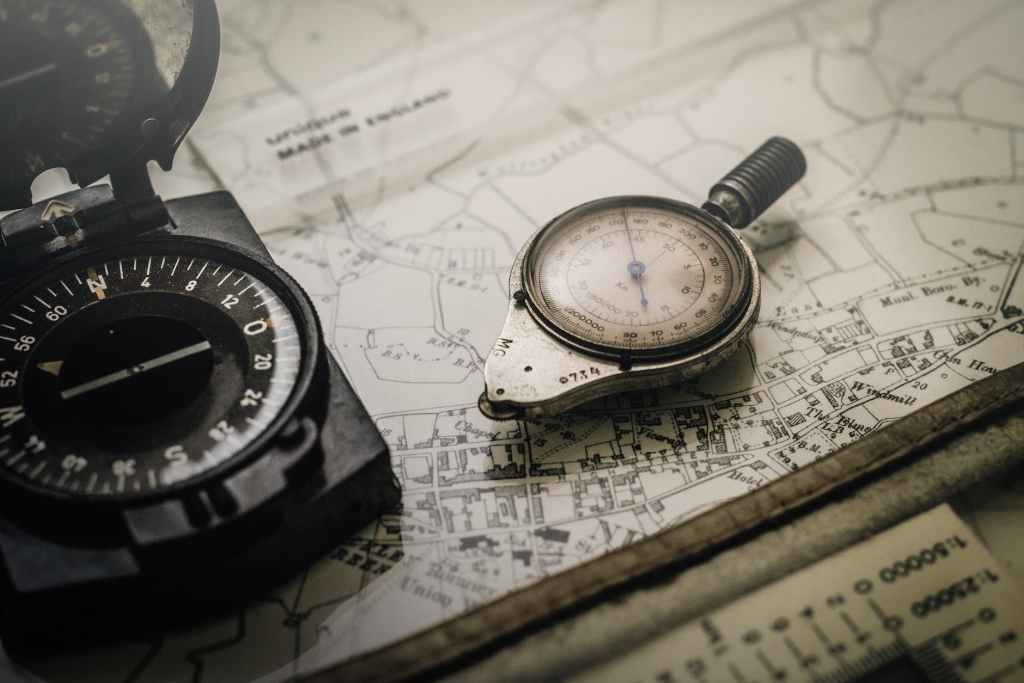
For centuries, the vast oceans have been both a realm of exploration and a challenging arena for seafarers. Traditionally guided by celestial bodies, hand-drawn charts, and intuition, maritime navigation has undergone a transformative evolution in the modern era. Today, electronic charts (e-charts), Automatic Identification System (AIS), and various navigational aids have reshaped the seascape. However, a new era of innovation emerges, driven by the formidable alliance of artificial intelligence (AI) and weather forecasting.
The Power of Real-Time Weather Data:
In this era of technological evolution, the integration of AI and weather forecasting promises to revolutionize maritime navigation. Real-time weather data empowers AI to analyze information from diverse sources such as satellites, buoys, and onboard sensors. This symphony of data provides hyper-local insights into crucial factors like wind, waves, currents, and potential storms. The result is an unprecedented accuracy in weather forecasting at sea, significantly enhancing maritime safety and mitigating the risks of accidents and loss of life.
Dynamic Digital Charts:
Beyond weather prediction, the evolution of AI in navigation extends to transforming the very maps that guide ships. Adaptive digital charts, akin to living maps, dynamically display potential hazards like sudden squalls or dense fog banks. These AI-powered systems continuously analyze real-time weather data, integrating the knowledge of experienced captains. The result is a digital co-captain, guiding vessels through treacherous waters with unwavering precision, ensuring safer voyages with technology as their guiding light.
Personalized Voyages and Nautical AI Applications:
The future envisions a maritime experience tailored to individual preferences through the integration of AI. Nautical AI applications can provide personalized voyages, considering factors like safety, efficiency, and individual preferences. Imagine journeys optimized for enhanced safety and efficiency, transforming navigation into a customizable experience. This shift not only enhances the efficiency of maritime operations but also introduces a new level of user-centric navigation.
Transforming the Maritime Industry:
Boosted Efficiency:
The impact of AI on maritime efficiency is quantifiable and impactful. Optimized routes, guided by AI analysis of weather patterns, translate into reduced travel times and lower fuel consumption. A 2021 study by the International Maritime Organization (IMO) underscores this, highlighting a potential 10% reduction in CO2 emissions through AI-optimized routes. This not only benefits the industry economically but aligns with global sustainability goals.
Empowered Decision-Making:
The integration of AI doesn’t replace human expertise; instead, it enhances it. Captains, armed with real-time insights from AI analysis, navigate with heightened confidence. This collaborative approach, where human intuition meets AI analytics, creates a synergy that is crucial for safer and more efficient voyages.
Reshaping Logistics:
The prospect of autonomous cargo ships is not a distant dream but a foreseeable reality. McKinsey & Company’s report in 2023 predicts a significant presence of autonomous ships by 2030, transforming maritime logistics. The integration of AI and weather data ensures not just efficiency but a seamless, optimized flow of goods across oceans, revolutionizing supply chains globally.
Merging the Power of AI and Weather Data:
AI’s Predictive Power and the Onslaught of Data
AI’s predictive abilities are reshaping the way we perceive and leverage data. With a deluge of information at its disposal, AI is uniquely positioned to revolutionize industries and drive innovation at an unprecedented pace. Embracing AI’s potential is no longer a choice, but a necessity for those who strive to stay ahead in this data-driven era.
The success of AI in maritime navigation hinges on the synergy of its predictive abilities and the vast amount of data available. AI algorithms, analyzing historical and real-time weather data, provide nuanced predictions crucial for safer voyages.
Achieving AI-powered Weather Prediction for Navigation Charts:
Meticulous Data Handling:
The accuracy of AI predictions relies on the quality of data. Meticulous handling of data from various sources, including satellites and buoys, is essential to ensure the reliability of AI forecasts. This meticulous process is foundational to achieving accurate weather predictions for navigation charts.
Advanced Algorithms:
The backbone of AI-powered weather prediction lies in sophisticated algorithms. These algorithms, combining numerical weather prediction models with machine learning and statistical approaches, form a powerful cocktail that can analyze and predict weather patterns with high precision.
Rigorous Analysis:
AI’s effectiveness is contingent on rigorous analysis processes. Real-time data ingestion, continuous model training and refinement, and the core practice of weather prediction and forecasting are the pillars of AI’s analytical capabilities, crucial for informed decision-making.
The Output of AI Analysis:
Suggesting Alternative Routes:
AI’s output in navigation charts isn’t just informative; it’s actionable. In the face of a storm, the system can suggest alternative routes, avoiding potential danger and ensuring the safety of the vessel and its crew.
Warning of Potential Hazards:
Real-time alerts generated by AI serve as a preemptive measure against potential hazards. Whether it’s heavy fog, strong winds, or sudden downpours, these warnings empower navigators to take timely precautionary measures, safeguarding both crew and cargo.
Optimizing Fuel Efficiency:
The marriage of AI with weather data extends beyond safety to economic and environmental considerations. By factoring in wind patterns and currents, the system optimizes routes to minimize fuel consumption, resulting in reduced costs and a lower environmental impact.
Achieving the Vision: Enhanced Safety, Sustainable Seas:
Enhanced Safety :
Early warnings and real-time route adjustments, facilitated by AI analysis, substantially decrease the risk of accidents at sea. This not only protects lives but also safeguards the livelihoods of those dependent on maritime activities. The ability to foresee and navigate around potential dangers contributes significantly to creating a safer maritime environment.
Boosted Efficiency:
Optimized Routes for Environmental Impact:
The environmental impact of AI in maritime navigation is profound. Optimized routes, a direct result of AI analysis of weather and oceanic conditions, not only reduce travel times but also cut down on fuel consumption. The IMO’s study in 2021 emphasizes the potential for a 10% reduction in CO2 emissions, aligning with global efforts towards a more sustainable maritime future. This quantifiable reduction in environmental impact positions AI as a key player in fostering eco-friendly practices within the industry.
Empowered Decision-Making:
Synergy Between Human and AI:
The collaboration between human captains and AI empowers decision-making at sea. With access to real-time insights about ocean conditions, captains can navigate with enhanced confidence. The synergy between human experience and AI analytics creates a formidable alliance, ensuring both safety and efficiency in maritime voyages. Human-AI collaboration emerges as a model for effective decision-making, combining the intuitive understanding of seasoned captains with the analytical prowess of AI.
Reshaping Logistics:
Autonomous Ships and Global Supply Chains:
McKinsey & Company’s report in 2023 paints a transformative picture of the future of maritime logistics. The integration of AI and weather data in autonomous cargo ships not only ensures efficient goods transportation but also revolutionizes supply chain optimization. This shift can have far-reaching implications for global trade and commerce. Autonomous ships navigating through AI guidance promise to streamline supply chains, reduce transit times, and enhance overall logistical efficiency.
Challenges and the Road Ahead:
Data Privacy Concerns:
As AI relies heavily on data, addressing data privacy concerns becomes paramount. Ethical collection, storage, and utilization of data require robust regulations and transparency. This ensures that the benefits of AI in maritime navigation are achieved without compromising privacy and ethical standards. The industry must work collaboratively to establish and adhere to comprehensive data privacy frameworks, fostering trust among stakeholders.
Equitable Access:
As AI becomes integral to maritime navigation, ensuring equal access for all nations is crucial. Bridging the digital divide ensures that the benefits of advanced navigation technology are not limited to a few, fostering inclusive development across the maritime landscape. International cooperation and initiatives are essential to provide resources and support for less technologically advanced maritime nations.
Human Oversight:
Recognizing the importance of human oversight is fundamental. While AI contributes significantly to maritime navigation, human expertise remains irreplaceable for ensuring both safety and ethical considerations. Collaborative decision-making, combining the strengths of human intuition and AI analytics, is the key to a balanced and secure maritime future. Ongoing training programs and clear guidelines should be established to ensure that human oversight is maintained as AI technology advances.
Case studies that illustrate the integration of AI and weather forecasting in maritime navigation:
Rolls-Royce and Intelligent Awareness (IA):
Rolls-Royce, a prominent player in the maritime industry, has been at the forefront of integrating AI into maritime operations. Their Intelligent Awareness (IA) system utilizes AI and weather data for enhanced situational awareness. The IA system fuses information from various sensors, including lidar, radar, and thermal cameras, with data from global databases, satellite feeds, and weather forecasts.
Case Details:
Objective: Improve vessel safety and navigation efficiency.
Implementation:The IA system continuously analyzes real-time data to provide a comprehensive picture of the vessel’s surroundings, including potential obstacles, weather conditions, and nearby vessels.
Outcome: Rolls-Royce reports increased safety, reduced operational risks, and improved decision-making for ship operators. The AI-driven system helps in proactive route planning, avoiding adverse weather conditions and potential hazards.
Wärtsilä’s Smart Marine Ecosystem:
Wärtsilä, a global leader in smart technologies for the marine and energy markets, has developed a Smart Marine Ecosystem that leverages AI and predictive analytics for maritime operations. The ecosystem includes solutions for navigation, optimization of route planning, and weather routing.
Case Details:
Objective: Enhance the efficiency of vessel operations and reduce fuel consumption.
Implementation: The ecosystem integrates weather data, including forecasts and real-time conditions, to optimize routes based on factors such as wind, waves, and currents. AI algorithms continuously learn and adapt to changing conditions.
Outcome: Wärtsilä reports significant fuel savings and a reduction in emissions. The AI-driven system allows vessels to navigate through the most fuel-efficient routes, contributing to both economic and environmental sustainability.
IBM’s Weather Company and Predictive Fleet Management:
IBM’s Weather Company, known for its advanced weather forecasting capabilities, has collaborated with maritime companies to integrate weather data into predictive fleet management systems.
Case Details:
Objective: Improve fleet management by predicting and mitigating the impact of adverse weather conditions.
Implementation:IBM’s Weather Company provides real-time and forecasted weather data, including insights into storms, high waves, and other potential hazards. AI algorithms analyze this data to predict how weather conditions might impact vessel routes and schedules.
Outcome: Vessel operators can proactively adjust routes, speeds, and schedules to avoid adverse weather, leading to improved safety, on-time performance, and operational efficiency.
Kongsberg and Yara Birkeland Autonomous Container Ship:
Kongsberg, a maritime technology company, has been involved in the development of the Yara Birkeland, an autonomous electric container ship. The vessel incorporates AI for navigation and safety.
Case Details:
Objective: Develop the world’s first fully electric and autonomous container ship.
Implementation: The ship uses AI algorithms for real-time decision-making, considering factors such as weather conditions, traffic, and obstacles. The AI-driven navigation system allows the vessel to operate autonomously while adapting to dynamic environmental conditions.
Outcome: The Yara Birkeland represents a shift towards autonomous shipping, potentially reducing operational costs, optimizing logistics, and minimizing environmental impact.
These case studies highlight the diverse applications of AI in maritime navigation, ranging from enhancing situational awareness to optimizing routes and enabling the transition to autonomous shipping. As the maritime industry continues to embrace AI technologies, these examples showcase the tangible benefits in terms of safety, efficiency, and sustainability.
Conclusion & Recommendations:
In conclusion, the integration of AI and weather forecasting into maritime navigation signifies more than technological advancement; it represents a paradigm shift towards safety, sustainability, and inclusivity. The synergistic relationship between AI and human expertise has the potential to reshape the maritime industry fundamentally. The continuous refinement of AI algorithms, meticulous data handling, and addressing challenges like data privacy are critical for the successful implementation of AI in maritime navigation.
As we navigate the future seas, it is imperative to continue investing in research and development to enhance the capabilities of AI in maritime navigation further. Recommendations include:
Investment in Research: Continued investment in research will enable the development of more advanced AI algorithms and models for weather prediction, ensuring higher accuracy and reliability.
Global Collaboration: The maritime industry should encourage international collaboration to address challenges collectively. This includes sharing data, knowledge, and expertise to create a more connected and secure maritime network.
Ethical AI Practices: Prioritizing ethical considerations in AI development is essential. Stricter regulations and industry standards should be established to ensure the ethical use of AI, particularly concerning data privacy.
Training Programs: A more seamless transition to AI-integrated navigation will be made possible by the implementation of thorough training programs for maritime professionals. The technical aspects of using AI as well as human-AI collaboration should be the main topics of these programs.
Sustainable Practices: It is critical to highlight the advantages that autonomous shipping and AI-optimized routes have for the environment. Encouraging the adoption of sustainable practices can further enhance the industry’s commitment to reducing its carbon footprint.
By navigating the currents wisely, the maritime industry can harness the potential of AI to not only advance technologically but also contribute to a safer, more sustainable, and more inclusive maritime future for all.
 Maritime Tales & Cutting Edge Sails
Leave a comment