

The maritime industry, historically resistant to rapid transformations, is currently in the midst of a revolutionary wave of innovation. Groundbreaking technologies are being leveraged by companies to address environmental concerns, streamline operations, and steer towards a more sustainable and proficient future. Below, we present 10 remarkable innovations from 2023 that are leaving an indelible mark on the industry:
- Autonomous Vessels: Unmanned ships equipped with advanced sensors and AI for improved navigation and operational efficiency are marking a significant milestone in maritime technology trends.
- Zero-Emission Propulsion: Integration of hydrogen fuel cells and electric propulsion systems, heralding a new era of environmentally friendly marine industry advancements.
- AI-Powered Predictive Maintenance: Utilizing machine learning and predictive analytics to enhance vessel maintenance protocols is a pivotal advancement in smart shipping solutions.
- Port Automation and Digitalization: The implementation of IoT, blockchain, and digital twin technology to optimize port operations is redefining 2023 navigation innovations.
- Green Ship Recycling: Innovative methods for sustainable vessel dismantling and recycling, aligning with the marine industry’s commitment to environmentally responsible practices.
- Advanced Weather Routing: Utilizing real-time data and predictive modeling to enhance route efficiency and safety is a pivotal stride in revolutionary maritime technologies.
- Underwater Drones for Inspections: Deploying autonomous underwater vehicles for efficient and thorough inspections signals a transformative shift in marine industry advancements.
- Enhanced Cybersecurity Measures: Integration of robust cybersecurity protocols to safeguard maritime technology infrastructure is an imperative aspect of smart shipping solutions.
- LNG-Powered Vessels: Adoption of liquefied natural gas as a clean fuel alternative, contributing significantly to the paradigm of eco-friendly maritime technology trends.
- Sustainable Aquaculture Technologies: Innovations in aquaculture practices and technologies to promote sustainable marine resource utilization are a key facet of the industry’s sustainable future.
Here are some pathbreaking innovations of the year 2023:
1. Harnessing the Power of Waves: MobiFloat by Eco Wave Power (Israel)
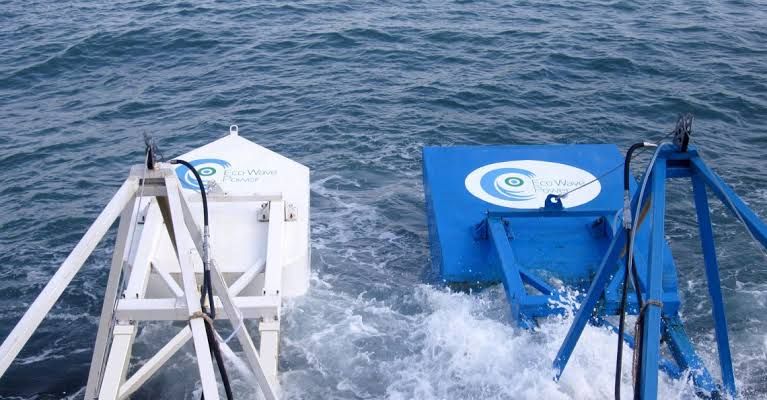
Eco Wave Power, a leading wave energy developer, unveiled MobiFloat in 2023. These snake-like buoys rise and fall with waves, driving on-board generators that produce electricity. Anchored near the shore, MobiFloats completed a pilot project in Portugal, powering over 500 homes. Each 64-meter-long MobiFloat unit generates 150 kW of continuous power, with scalability allowing for larger arrays and even more energy production. Eco Wave Power plans to deploy further systems in Greece, Chile, and other wave-rich locations.Technologies like MobiFloat’s projects hold immense potential to unlock clean, renewable energy for coastal communities and offshore operations. While cost and scalability hurdles remain, advancements in materials and design could make wave power a significant contributor to the maritime energy mix. The aim for these technologies will be self-powered ports, research vessels, and even autonomous cargo ships harnessing the ocean’s rhythm.
2. Cleaning Up Our Oceans: The Interceptor by The Ocean Cleanup (Netherlands)
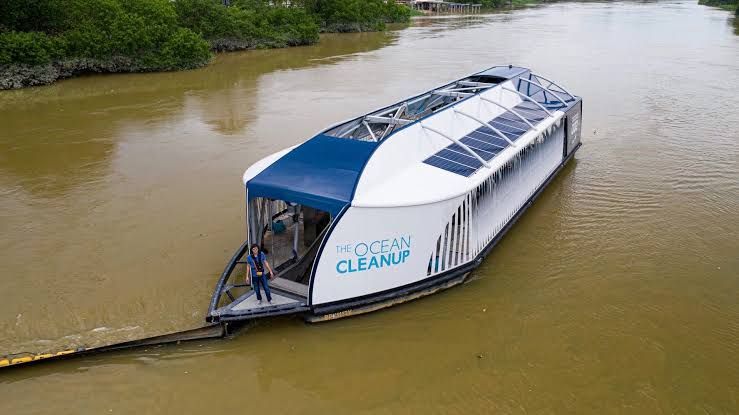
The Ocean Cleanup’s InterceptorTM tackles plastic pollution at its source: rivers. These solar-powered, autonomous barges patrol waterways, skimming debris like plastic bottles before they reach the ocean. In 2023, interceptors deployed in Indonesia and Malaysia collected over 100 tons of plastic within months. Plans are underway to deploy 100 interceptors by 2025, capturing up to 50,000 tons of plastic annually. The InterceptorTM and similar river-based solutions are crucial for tackling plastic pollution before it reaches the open ocean. Integration with AI sorting and recycling technologies could further enhance their effectiveness. We can envision a future where these systems become ubiquitous, preventing plastic from entering and choking our fragile marine ecosystems.
3. SeaPod: AI-powered Maritime Domain Awareness by Orca AI (Israel)
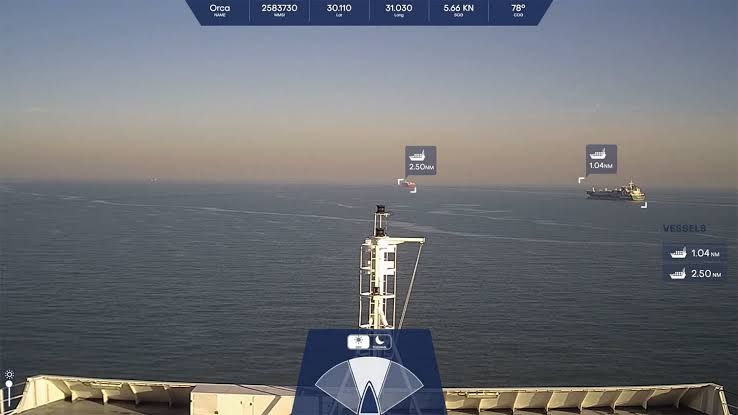
Orca AI empowers safer and more efficient navigation with its AI-powered software. Integrating radar and camera data, it detects and tracks vessels, predicts collision risks, and optimizes routes. In 2023, Orca AI partnered with major ports and shipping companies, reducing accidents and improving operational efficiency.
This technology, under development by the United States Coast Guard in pilot programs, has the potential to reshape maritime traffic management globally. Orca AI and its competitors are game-changers for collision avoidance and navigation efficiency. Imagine maritime traffic management systems powered by real-time AI analysis, optimizing routes, predicting risks, and minimizing accidents. This could revolutionize safety and economic efficiency, leading to smoother, safer seas for all.
4. Greener Fuel Alternatives: Ammonia Power by MAN Energy Solutions (Germany)
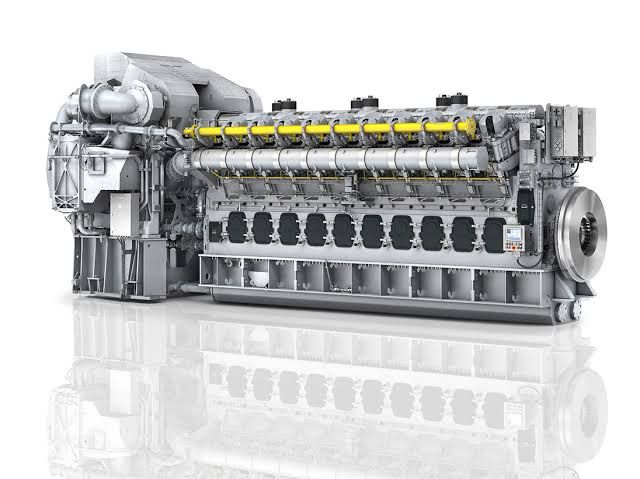
MAN Energy Solutions is leading the charge towards ammonia-powered ships, a zero-carbon alternative to traditional fuels. They unveiled their first dual-fuel ammonia engine in 2023, paving the way for cleaner shipping. Initial demonstrations are planned for 2024, with commercial use expected by 2026. This technology could significantly reduce the shipping industry’s carbon footprint, estimated at 2.9% of global emissions. MAN Energy Solutions’ ammonia engine is a critical step towards decarbonizing shipping. While challenges like infrastructure development and bunker fuel availability persist, the future is bright. Ammonia-powered cargo ships, tankers, and even cruise liners could become commonplace, drastically reducing the industry’s carbon footprint.
5. Uncrewed Boats: Boston Dynamics SeaCat (USA)
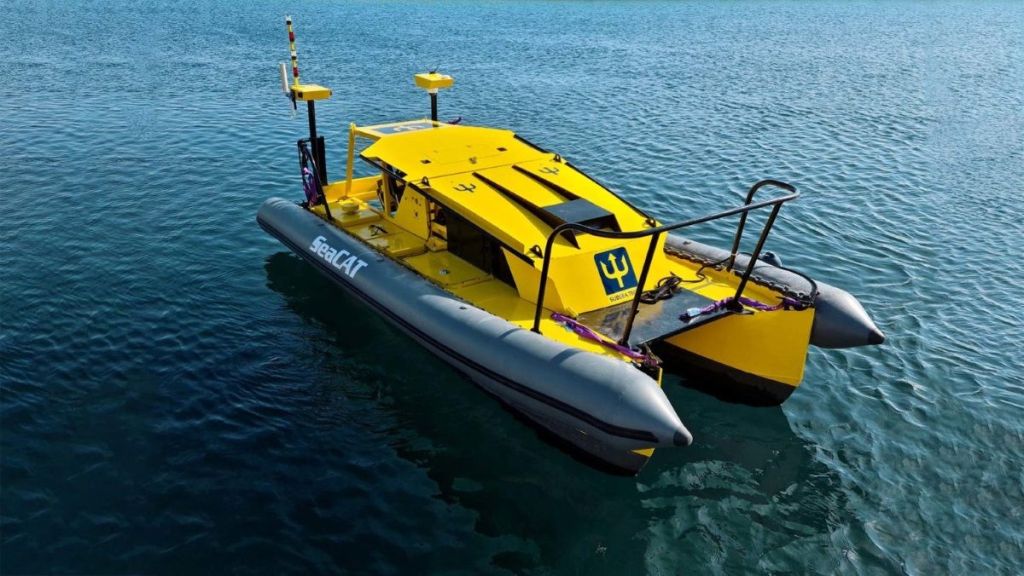
Boston Dynamics, known for their land robots, teamed up with Sea Machines to develop a self-driving boat for research. Launched in 2023, the SeaCat can operate for weeks at sea, collecting oceanographic data without human intervention. This vessel, capable of autonomous deployments up to 6,000 nautical miles, is ideal for long-term scientific missions and environmental monitoring.
6. Underwater Drones: Kraken Robotics SeaSPY (Canada)
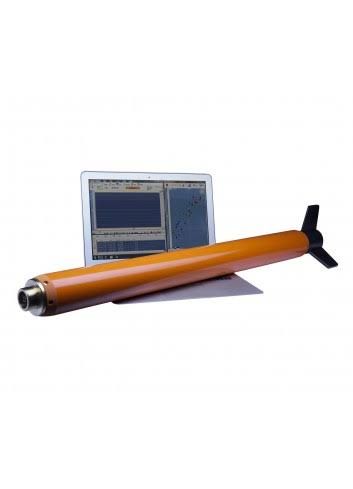
Kraken Robotics offers a range of AUVs equipped with advanced sensors for seabed mapping, pipeline inspection, and scientific research. In 2023, their SeaSPY AUV completed a record-breaking 50-day mission, demonstrating its endurance and versatility. These drones, able to operate at depths of 6,000 meters, provide critical data for offshore infrastructure maintenance, resource exploration, and deep-sea research. Kraken Robotics and its rivals herald a new era of autonomous research and exploration. Imagine fleets of these vessels collecting vital oceanographic data, mapping remote areas, and monitoring environmental changes. This technology could unlock groundbreaking discoveries and propel our understanding of the vast, unexplored ocean depths.
7. Spare Parts on Demand: Rolls-Royce Additive Manufacturing Facility (UK)
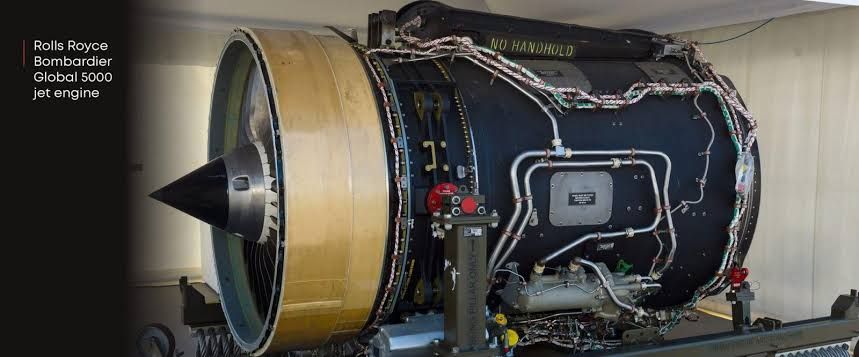
Rolls-Royce’s AMF technology allows ships to print spare parts on demand, reducing reliance on shore-based supply chains and minimizing downtime. Successfully tested in 2023, AMF is currently being incorporated into new-build vessels, with existing ships set to be retrofitted soon. This technology can potentially cut maintenance costs by up to 20% and significantly improve operational efficiency. Rolls-Royce’s AMF technology has the potential to revolutionize ship maintenance. Imagine vessels printing critical spare parts on demand, eliminating reliance on shore-based logistics and minimizing costly downtime. This could enable on-the-go repairs, improve operational resilience, and enhance overall fleet efficiency.
8. Protecting Critical Infrastructure: CyberGuard Technologies (Israel)
Maritime cybersecurity threats are rising as operations become more digital. CyberGuard Technologies offers specialized solutions for ships and ports, detecting and mitigating cyberattacks on onboard systems. Their technology, adopted by major shipping companies in 2023, protects critical infrastructure and sensitive data. With cyberattacks on maritime systems increasing year over year, CyberGuard’s solutions are crucial for ensuring secure operations. CyberGuard Technologies and other solutions are vital to protecting critical maritime infrastructure from cyberattacks. Imagine secure, encrypted communication networks safeguarding cargo data, vessel operation systems, and sensitive port infrastructure. This will be crucial as maritime operations become increasingly reliant on digital systems.

9. Supply Chain Transparency: TradeLens (USA and Denmark)
Maersk and IBM’s joint venture, TradeLens, uses blockchain technology to revolutionize supply chain transparency. Their platform tracks shipments, trade documents, and vessel movements in real-time, promoting secure and efficient trade practices. In 2023, TradeLens expanded its network to over 200 ports and 20000 containers. TradeLens and similar blockchain-based platforms offer unprecedented transparency and efficiency in maritime logistics. We are moving into a future where cargo movement is tracked in real-time, fraud and errors are minimized, and trust is built throughout the supply chain. This could revolutionize global trade and unlock new economic opportunities.

10. Drones for Search and Rescue:Elistair (France)
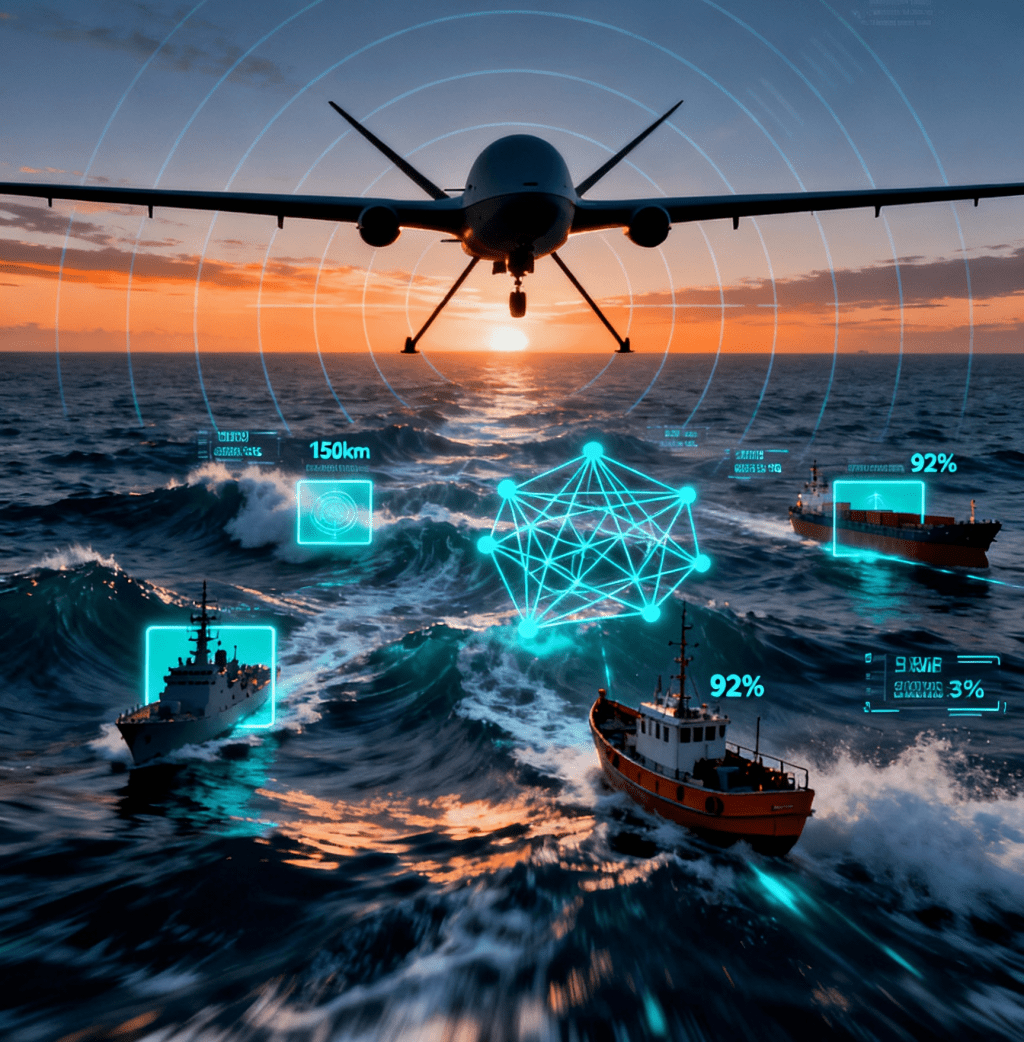
Tethered drones are capable of staying airborne for days. Similar technology is being developed by Skydio (USA) and senseFly (Switzerland).
Partnerships with Rescue Organizations: Elister has partnered with several coast guard and search and rescue organizations worldwide, demonstrating the real-world application of their drone technology. Elister’s tethered drones and their equivalents are invaluable tools for search and rescue operations. The rapid deployment of these drones over vast stretches of ocean allows for locating survivors, guiding rescue teams, and saving lives. This technology could significantly improve response times and increase the chances of successful rescues in emergency situations.


 Maritime Tales & Cutting Edge Sails
Leave a comment