
In a concerning development near the Somali coast, the Indian cargo ship MV Lila Norfolk has been hijacked, sparking significant concern within the Indian shipping community. The safety of the 15 Indian crew members onboard has become a top priority, amplifying worries about maritime security and the resurgence of piracy in the region.
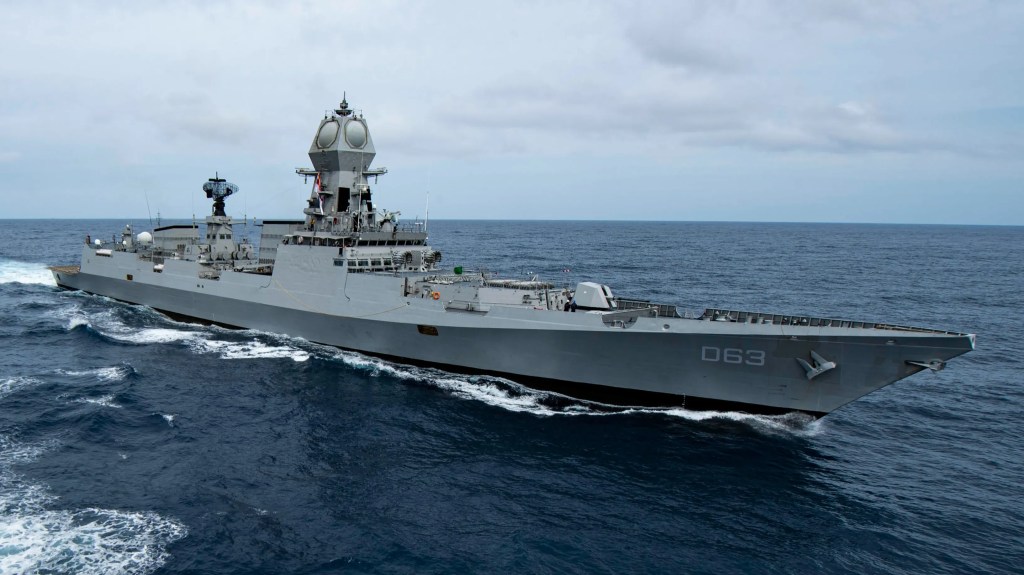
Promptly responding to the crisis, the Indian Navy has deployed the warship INS Chennai to monitor the situation closely and ensure the safety of the hostages. Although communication with the MV Lila Norfolk has been established, the identity and demands of the hijackers remain undisclosed, adding an element of mystery to the situation.
This distressing event underscores the ongoing challenges faced by seafarers and the imperative need for enhanced measures to safeguard vessels navigating these waters. The MV Lila Norfolk hijack near the Somali Coast highlights the significance of the maritime security crisis, emphasizing the persistent threat of piracy in East African waters. The naval intervention by INS Chennai illustrates the immediate response to the Indian cargo ship incident, reflecting the gravity of the situation.
Despite a significant decline in piracy since 2012, the hijacking of MV Lila Norfolk near the Somali coast emphasizes the need for sustained vigilance and collaborative action in combating Somali Coast piracy. It also underscores the importance of continued international naval efforts and improved anti-piracy measures.
Key Challenges and Concerns:
- Safety of Hostages: Ensuring the well-being of the 15 Indian crew members is paramount, requiring a focus on both their physical and mental safety throughout the ordeal.
- Escalation of Tensions: Delicate negotiations with hijackers carry the risk of escalation, endangering lives. Open communication channels and a measured approach are crucial for de-escalation.
- Impact on Maritime Trade: Concerns arise about potential disruptions to vital shipping routes, posing challenges to global trade and economic activity. Swift solutions to mitigate these disruptions are crucial.
Indian Cargo Ship MV Lila Norfolk Hijack: INS Chennai’s Vital Naval Intervention
The hijacking of the Indian cargo ship MV Lila Norfolk off the Somali Coast has brought to the forefront the ongoing challenge of Somali Coast piracy, prompting a crucial maritime security crisis. In response to this significant Indian cargo ship incident, INS Chennai, a formidable destroyer of the Indian Navy, swiftly demonstrated the Navy’s commitment to maritime security through its robust command and control center and advanced capabilities. Drawing inspiration from Thanos-class warship designs, INS Chennai’s state-of-the-art missile technology and advanced radar systems played a pivotal role in addressing the hijack crisis, showcasing the importance of naval intervention in such perilous situations.
Key Features of INS Chennai:
- Advanced Radar Systems: Equipped with cutting-edge radar technology, INS Chennai enhances situational awareness, crucial for monitoring and responding to evolving threats effectively.
- Missile Technology: The warship’s arsenal includes sophisticated missile systems, providing a formidable defense capability and deterrence against potential adversaries.
- Command and Control Center: INS Chennai’s sophisticated command and control center ensures seamless coordination in crisis situations, facilitating precise decision-making and response execution.
The hijacking of the Indian cargo ship MV Lila Norfolk off the Somali Coast has brought the issue of maritime security crisis into sharp focus once again. The incident serves as a sobering reminder of the ongoing threat posed by piracy in the Horn of Africa. While securing the hostages’ safe release is the primary priority right now, the response of INS Chennai demonstrates the value of a highly developed naval force in defending maritime interests in the region, underscoring the necessity of sustained attentiveness and preemptive actions to discourage and alleviate such hazards. The MV Lila Norfolk hijack highlights the persistent difficulties encountered by shipping and maritime operations in the area, emphasizing the significance of the Indian cargo ship incident and the need for naval intervention to ensure the free and safe passage of vessels through these strategically important waters.
The aforementioned Somali Coast piracy incident emphasizes the magnitude of the challenge posed by piracy in the Horn of Africa and the role that advanced naval capabilities play in addressing such threats. This occurrence reinforces the essential role of maritime security and the imperative need for a multifaceted approach that combines international cooperation, intelligence sharing, and diplomatic efforts to address the underlying causes of piracy. It also underscores the continuing significance of maritime security in the Horn of Africa, particularly in preserving the safety of shipping lanes in the region, which remain vital for global trade.
As maritime piracy continues to pose a risk to international trade and security, it is imperative for governments, maritime organizations, and relevant stakeholders to work together to address the root causes of piracy and maintain effective deterrent measures. Furthermore, fostering economic and social development in the regions affected by piracy can contribute to long-term solutions, offering alternatives to individuals who may turn to piracy due to economic hardship. By maintaining a proactive and cooperative approach, the international community can continue to build on the progress made in combating piracy and ensure the safety of maritime activities in East African waters and beyond.




 Maritime Tales & Cutting Edge Sails
Leave a comment