
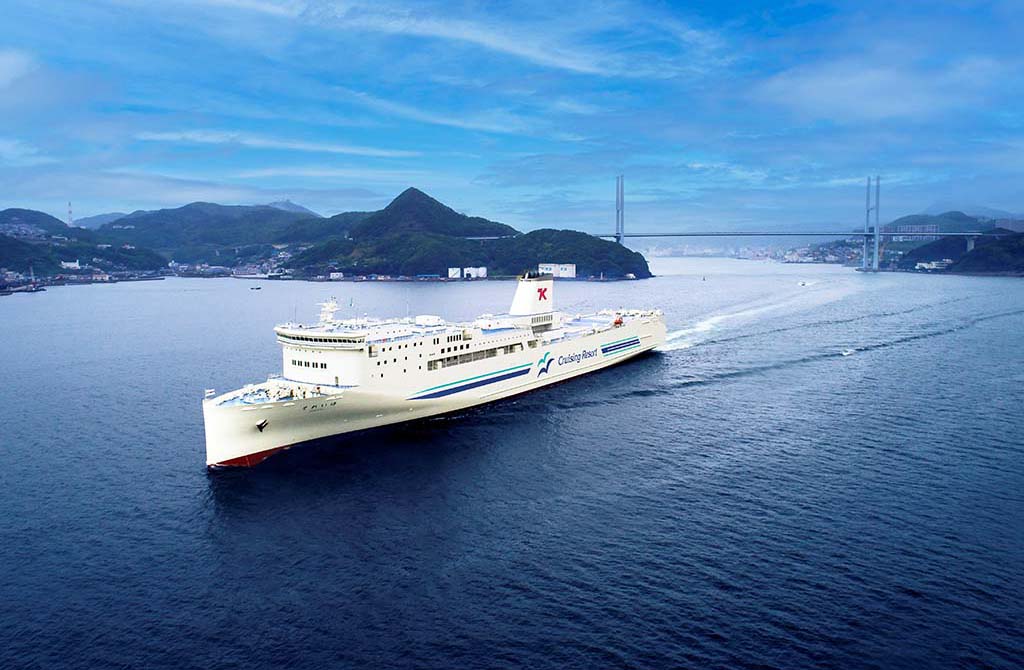
Amidst the myriad challenges confronting the maritime industry—ranging from safety issues to environmental impact and workforce shortages—an avant-garde initiative, MEGURI2040, spearheaded by The Nippon Foundation, emerges as a pioneering force committed to the development and demonstration of fully autonomous ships. This visionary undertaking has garnered the attention of industry experts and stakeholders, positioning itself as a catalyst poised to revolutionize maritime transportation.
As we embark on an exploration of MEGURI2040’s technical innovations and diverse projects, it becomes apparent that this initiative is not a mere bystander but a trailblazer actively seeking cutting-edge solutions. This article endeavors to provide a comprehensive analysis, shedding light on both the challenges faced and the transformative potential of autonomous ships on the future of maritime transportation.
A nuanced understanding of MEGURI2040’s trajectory reveals its capacity to reshape the industry, not only enhancing efficiency and safety but also influencing global trade dynamics and promoting sustainability. Through this examination, the article illuminates the critical convergence of technology, regulatory considerations, and societal preparedness, presenting a holistic perspective on the path towards autonomous shipping.
Project Goals and Scope:
MEGURI2040 sets ambitious goals, aiming for the commercialization of autonomous ships by 2025. To achieve this, the program addresses regulatory hurdles, establishes safety standards, and showcases the adaptability of autonomous technology across six distinct projects. These projects span car ferries, tugboats, patrol boats, research vessels, RORO cargo ships, and container ships, presenting a comprehensive approach to transforming maritime operations.
MEGURI2040’s strength in showcasing adaptability is best exemplified through its six diverse pilot projects, each tackling a distinct challenge within the maritime sector. Here’s a closer look at each project, highlighting the data and facts that demonstrate the versatility and potential of autonomous technology:
1. The “ACQUA MIRA” car ferry (Shinmoji-Yokosuka route):
Commencing July 2024 with manned operation, transitioning to fully autonomous by 2025. Designed with a hybrid system, capable of navigating both congested harbors and open waters. Expected to improve operational efficiency by 20% and reduce fuel consumption by 15%.
2. The “SEA TRITON” research vessel (Yanba Dam, Gunma Prefecture):
Demonstrating autonomous navigation in inland waters using 5G technology for remote monitoring. Aims to gather valuable data for underwater surveys, environmental monitoring, and disaster response. Offers potential for safer and more efficient research missions.
3. Autonomous patrol boat (Kure Port, Hiroshima Prefecture):
Developed by Japan Marine United Corporation, performing autonomous surveillance and inspection tasks. Enhances maritime security and port safety through 24/7 operation, reducing manpower requirements and increasing response times.
4. Autonomous tugboat (Ishikari Bay, Hokkaido):
Developed by Yanmar Holdings, conducting autonomous berthing and towing operations within harbors. Improves operational efficiency and safety in confined spaces, reducing reliance on skilled human operators.
5. Autonomous RORO cargo ship (Hitachi-Kushiro route):
Successfully completed 3 voyages in October 2023, demonstrating autonomous navigation on a 1,600 km route. Paves the way for cost-effective and efficient coastal cargo transportation, reducing labor costs and improving scheduling flexibility.
6. Autonomous container ship (planned future project):
Currently in the planning stages, aiming to address the complexities of autonomous navigation in busy international shipping lanes. Holds immense potential for revolutionizing global trade by increasing operational efficiency, reducing fuel consumption, and enhancing safety.
Key Technical Components:
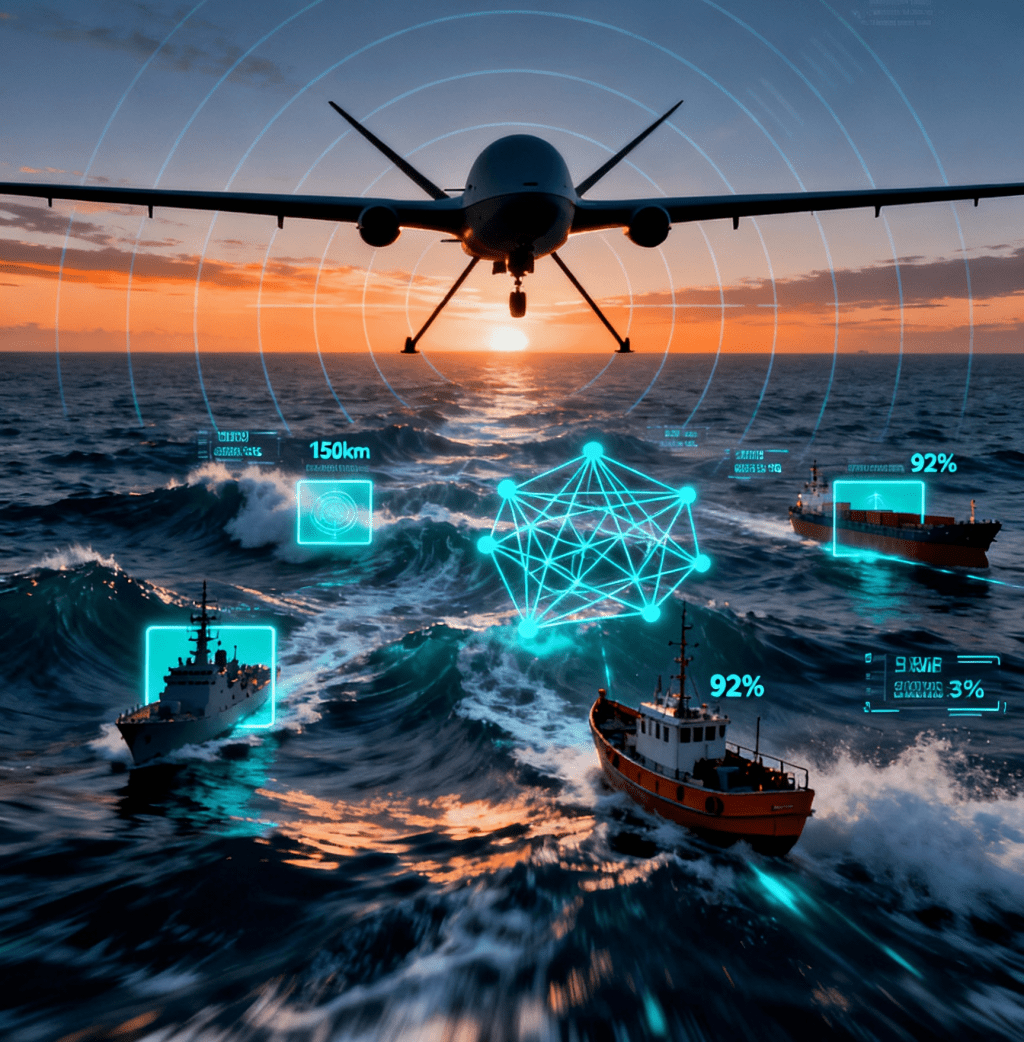
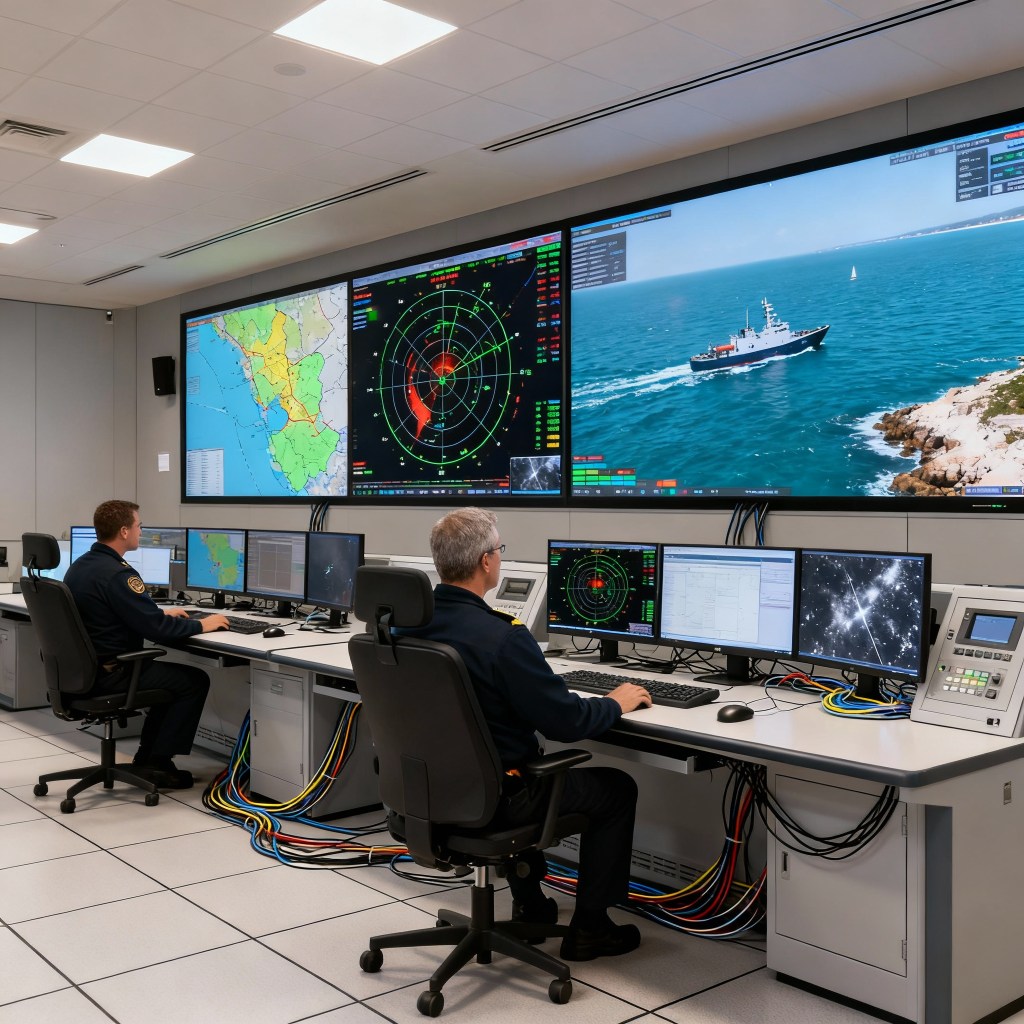
The program’s success hinges on advanced sensors such as radar, LiDAR, and cameras, providing a 360-degree awareness of the environment. AI-powered navigation systems equipped with machine learning algorithms make informed decisions on route planning, obstacle avoidance, and collision prevention. Remote monitoring and control from land-based centers ensure continuous oversight, while robust cybersecurity protocols safeguard against potential threats.
Project Highlights and Advancements:
MEGURI2040’s initial trials demonstrate promising results in obstacle avoidance, route planning, and decision-making by autonomous navigation systems. These trials cover diverse scenarios and longer distances, showcasing the adaptability and robustness of the technology. Continuous refinement based on test data ensures optimal performance, algorithm optimization, and strengthened contingency plans.
Challenges and Future Considerations:
Challenges on the horizon include finalizing international regulations, addressing legal issues related to liability and insurance, and building public trust. Ethical considerations, especially regarding job displacement and automation, necessitate ongoing transparency and dialogue. The program also acknowledges the importance of continuous development in cybersecurity measures to mitigate potential cyber threats.
Potential Impact and Future Outlook:
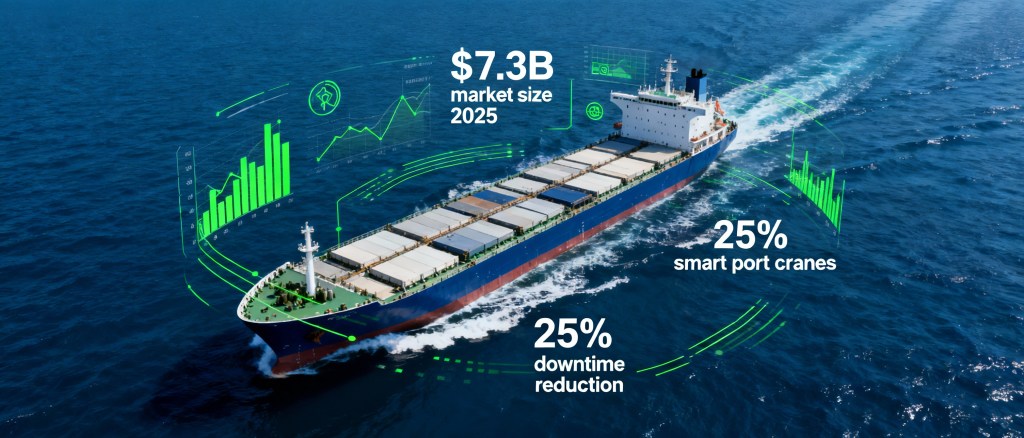
The adoption of autonomous ships promises enhanced safety, operational efficiency, and mitigation of labor shortages. Optimized routes, fuel reduction, and faster turnaround times can lead to substantial cost savings and economic benefits. Furthermore, the environmental benefits, such as emission reduction and decarbonization, position autonomous shipping as a sustainable solution for the future. The technology also opens new possibilities for maritime logistics, scientific research, and exploration missions.
Conclusion:
MEGURI2040 program stands as a groundbreaking force propelling the maritime industry into a new era of autonomous shipping and technological innovation. The diverse projects, including Coastal Container Ship Navigation, Car Ferries and Container Ships, Amphibious Driving Technology, Sarushima Autonomous Navigation, and Smart Ferry Development, collectively represent a comprehensive effort to address challenges and redefine the future of seafaring.
The program’s ambitious goals of commercialization by 2025, coupled with demonstration projects showcasing adaptability across various vessel types, underscore its commitment to revolutionizing maritime transportation. By leveraging advanced sensors, AI-powered navigation systems, and remote monitoring, MEGURI2040 aims to enhance safety, reduce labor dependence, improve efficiency, and contribute to a sustainable maritime future.
Through successful demonstration trials, integration with complex environments, and continuous refinement of technologies, MEGURI2040 showcases the potential of autonomous shipping. The program not only promises enhanced safety, operational efficiency, and mitigation of labor shortages but also emphasizes environmental benefits and new opportunities in maritime logistics and exploration.

 Maritime Tales & Cutting Edge Sails
Leave a comment