

The boundless expanse of the ocean has always held a duality: a source of immense bounty and perilous challenges. Navigating its currents for millennia has demanded not only seafaring skill but also a constant awareness of potential disaster. Search and Rescue (SAR) has thus been etched into the very fabric of maritime history, evolving from the basic human intuition of early mariners to the technologically advanced solutions of today. This article delves deep into the fascinating saga of SAR, tracing its journey from ancient ingenuity to modern marvels, culminating in the transformative potential of Autonomous Vessels (AVs) and their promise for a safer future at sea.
Early Search and Rescue Operations: Resourcefulness in the Face of the Unknown
The history of SAR stretches back as far as humanity’s first interactions with the oceans themselves. In the absence of sophisticated technology, early mariners relied on rudimentary methods like roaring fires, piercing horn blasts, and rudimentary visual signaling to alert fellow seafarers of distress. Lookouts kept a vigilant eye on the horizon for signs of trouble, and rescues were often feats of daring improvisation, hinging on the resourcefulness and courage of individual crews. One of the earliest documented SAR operations dates back to 1285 BC, when King Menelaus of Sparta, sailing to retrieve Helen from Troy, encountered Odysseus shipwrecked on the island of Ogygia. This ancient tale exemplifies the unwavering human spirit that has always characterized SAR efforts.
Learning from Tragedies
Several historical incidents stand out for their scale, complexity, and the invaluable lessons learned. The tragic sinking of the RMS Titanic in 1912, with the loss of over 1,500 lives, served as a stark wake-up call for the maritime community. It led to significant advancements in distress signaling protocols, lifeboat regulations, and international cooperation in SAR operations. Similarly, the 1985 sinking of the SS Edmund Fitzgerald on Lake Superior, with all 29 crew members perishing, underscored the need for improved weather forecasting and communication systems specifically tailored for freshwater environments. While devastating, these tragedies fueled crucial technological and procedural upgrades that saved countless lives in the years to come.
The Rise of Dedicated Search and Rescue Organizations
The 20th century witnessed the establishment of dedicated SAR organizations around the world. Coast Guards, Maritime Rescue Coordination Centers (MRCCs), and volunteer groups emerged to provide professional and coordinated responses to emergencies at sea. Advancements in communication technology, like radio and radar, revolutionized the ability to locate distressed vessels and orchestrate rescue efforts. Furthermore, the establishment of international SAR treaties and protocols, such as the International Convention on Maritime Search and Rescue (SAR Convention) of 1979, fostered global cooperation and ensured swift and effective responses to maritime emergencies anywhere in the world.
Enter the Age of AVs: Transforming SAR in the Digital Age
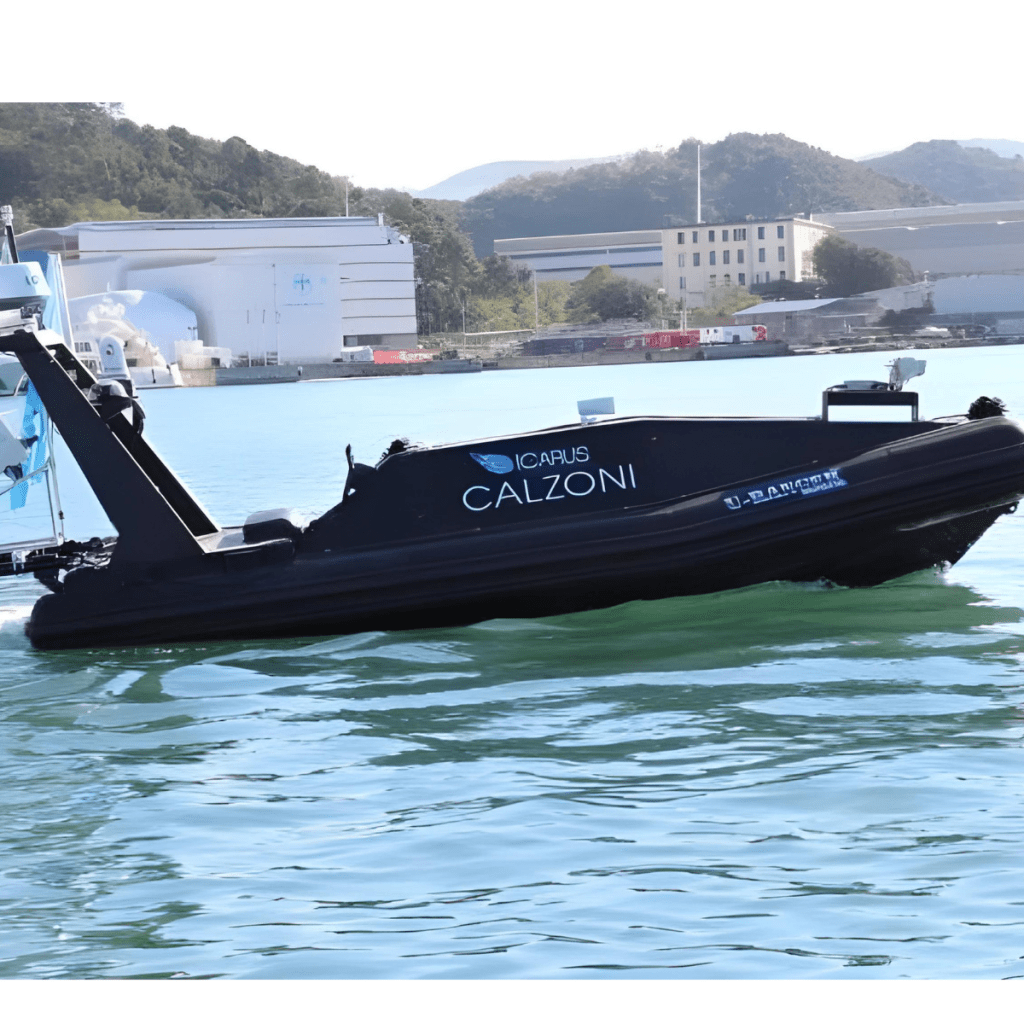
The 21st century has ushered in a new era of SAR with the emergence of Autonomous Vessels (AVs). These technologically advanced vessels, equipped with an array of cutting-edge sensors, sophisticated AI algorithms, and autonomous navigation capabilities, offer a game-changing potential for revolutionizing maritime safety and emergency response. Imagine tireless robotic sentinels patrolling vast stretches of ocean, constantly vigilant for signs of distress. These autonomous guardians, equipped with advanced sensors and AI, can rapidly detect emergencies, relay critical data to human teams, and even initiate preliminary rescue efforts.
Unveiling the Power and Role of AVs in SAR
To fully grasp the transformative potential of AVs in SAR, let’s study their capabilities and advantages:
Unwavering Vigilance and Extended Endurance: Unlike human crews susceptible to fatigue and limitations, AVs can operate tirelessly for extended periods, maintaining constant vigilance over vast swathes of the ocean. This continuous surveillance significantly increases the chances of detecting distressed vessels promptly, a crucial factor in maritime survival.
Unmatched Access to Dangerous Environments: Weather conditions or hazardous terrain often hinder traditional SAR efforts. AVs, however, can navigate through rough seas, thick fog, and even ice-choked waters, accessing areas deemed too dangerous for manned vessels. This expanded reach allows them to reach those in distress even in the most challenging circumstances.
Rapid Response and Precision Maneuvering: AVs equipped with advanced navigation systems and autonomous decision-making algorithms can respond to distress calls with remarkable speed and precision. They can quickly reach the designated location, maneuver around obstacles, and deploy rescue equipment with unparalleled accuracy, saving precious time and potentially lives.
Real-time Data Acquisition and Analysis: AVs are equipped with a suite of sensors, including LiDAR, radar, and thermal imaging cameras, that collect vast amounts of data about the surrounding environment. Onboard AI systems can analyze this data in real-time, identifying potential hazards like submerged rocks or debris fields, optimizing search patterns for maximum efficiency, and providing critical information to human rescue teams about the situation on-scene. This enhanced situational awareness significantly improves the decision-making capabilities of both AVs and human teams, leading to faster and more effective rescues.
Collaboration and Seamless Integration: AVs are not meant to replace traditional SAR efforts but rather to complement and enhance Search and Resce Operations. They seamlessly integrate into existing SAR infrastructure, working collaboratively with manned vessels, aircraft, and ground teams. AVs can share real-time data and updates, providing a comprehensive and constantly evolving picture of the situation. This collaborative approach leverages the unique strengths of each element: AVs excel at covering vast areas and operating tirelessly, manned vessels offer human judgment and on-site intervention capabilities, MRCCs orchestrate the overall response, aircraft provide aerial reconnaissance and communication relays, and ground teams offer specialized skills and resources for onshore aspects of SAR missions. By combining these strengths, a truly comprehensive and effective SAR ecosystem can be established, significantly improving maritime safety and ensuring the highest possible chances of survival for those in distress at sea.
Case Studies: Autonomous Vessel Saving Lives
To illustrate the real-world impact of AVs in SAR, let’s explore some compelling case studies:
Mayflower Autonomous Ship (MAS): During its transatlantic voyage in 2021, the MAS successfully detected and responded to a simulated distress signal, demonstrating its ability to locate and assist vessels in need. This pioneering project showcased the immense potential of AVs for real-world SAR operations.
Sea Machines SM300: Deployed by the US Coast Guard, the SM300 is a versatile AV capable of more than just search and detection. It can launch aerial drones for enhanced surveillance, deploy lifeboats for remote rescues, and even tow disabled vessels to safety. Its multifaceted capabilities provide invaluable support to human Coast Guard teams during SAR missions.
Australian Ocean Robotics Anuket: This Australian-developed AV played a crucial role in the successful search for a missing swimmer off the coast of Western Australia in 2022. Anuket’s ability to navigate challenging coastal waters and its advanced sensor suite proved instrumental in locating the individual and coordinating a swift rescue.
The Future of SAR with Collaborative Autonomous Ecosystem
While AVs offer groundbreaking capabilities, they are not destined to replace traditional SAR efforts. The future of SAR lies in a collaborative ecosystem where AVs work hand-in-hand with manned vessels, MRCCs, aircraft, and ground-based teams. This integrated approach leverages the unique strengths of each element, while simultaneously addressing some of the challenges associated with AV implementation:
Technology and Regulation: Continued advancements in AV technology are crucial to ensure their reliability, safety, and effectiveness in real-world SAR operations. Additionally, clear regulations and protocols need to be established for the safe and ethical deployment of AVs in maritime environments.
Human-Machine Collaboration:Effective collaboration between AVs and human SAR teams is paramount. Training programs and procedures need to be developed to ensure seamless communication, trust, and efficient decision-making in complex SAR scenarios.
Ethical Considerations: The use of AVs in SAR raises ethical questions, such as liability in case of accidents, data privacy concerns, and potential misuse of the technology. Open discussions and responsible development are crucial to address these concerns and ensure the ethical application of AVs for life-saving purposes.
Looking Ahead: A Brighter Horizon for Maritime Safety
As AV technology continues to evolve and the collaborative SAR ecosystem takes shape, the future of maritime safety promises to be significantly brighter. Imagine a future where fleets of AVs tirelessly patrol vast stretches of ocean, constantly vigilant for signs of distress. These robotic sentinels, equipped with advanced sensors and AI, can rapidly detect emergencies, relay critical data to human teams, and even initiate preliminary rescue efforts. This vision may seem futuristic, but with the rapid pace of innovation and the unwavering commitment to saving lives at sea, it is a future well within reach.
By harnessing the transformative potential of AVs and fostering a collaborative SAR ecosystem, we can create a safer and more secure maritime environment for generations to come. The ancient spirit of courage and resourcefulness that has always characterized SAR will be further amplified by the power of technology, ensuring that no mariner is ever truly alone on the vast expanse of the ocean.

 Maritime Tales & Cutting Edge Sails
Leave a comment