
While the use of any machine for warfare contradicts our fundamental humanity, as a technology enthusiast, I can’t help but be captivated by the military’s role in driving innovation since World War I. The rapid advancements in communication, transportation, and medical technology during wartime have often led to breakthroughs that benefit civilian life as well. Take for example the developments in prosthetics, which have significantly improved due to research and innovation for wounded soldiers. Additionally, the need for efficient and reliable energy sources in the field has contributed to the development of renewable energy technologies. It’s undeniable that the military-industrial complex has played a substantial role in shaping the technological landscape, and while the ethical implications are weighty, the impact on innovation is undeniable. From basic radars and jet engines to GPS and the Sat Com, countless advancements owe their existence to military research. Until these machines serve their true purpose – maintaining peace – my fascination with their technological prowess will remain undiminished.
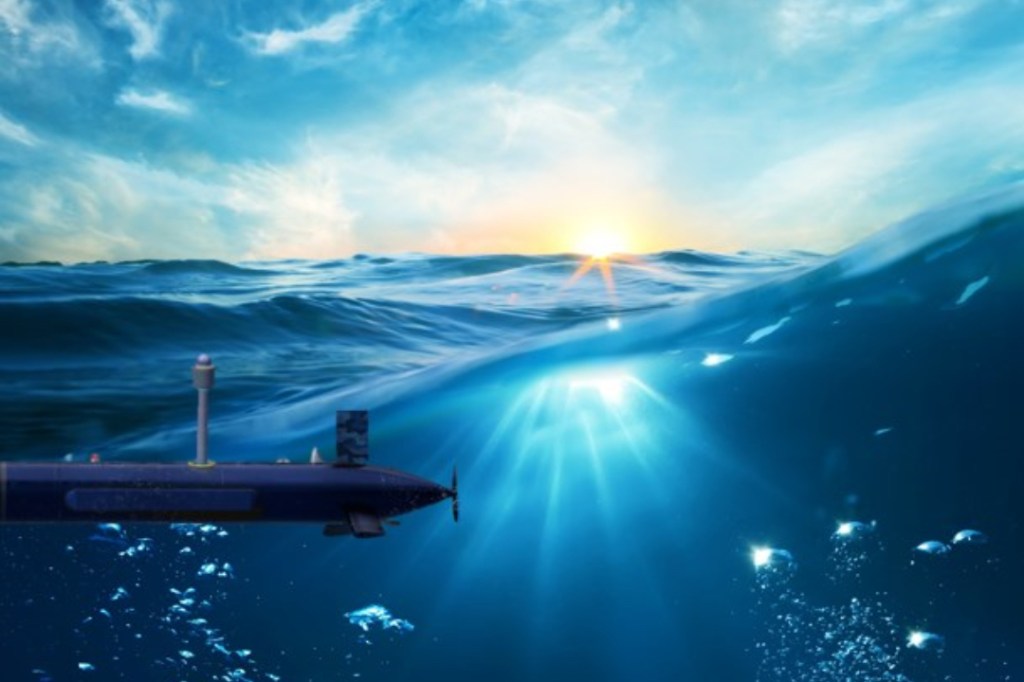
The emergence of Israel’s BlueWhale unmanned submarine marks a pivotal moment in naval warfare, echoing a historical trend of leveraging technology for strategic advantage. Throughout history, naval powers have sought to gain an edge through innovation, from ancient Greek fire to the nuclear submarines of the Cold War. The BlueWhale, with its advanced AI and autonomous capabilities, represents the latest evolution in this ongoing technological arms race.
Unmanned underwater vehicles (UUVs) have come a long way since their inception in the 1960s. Initially designed for scientific research and the exploration of underwater environments, UUVs have evolved to play a crucial role in various military applications. The early days saw the deployment of military UUVs primarily for mine countermeasures and underwater surveillance, addressing challenges in maritime security. However, with significant advancements in autonomy, sensor technology, and underwater communications, UUVs have expanded their roles to encompass a wide range of operations. These operations include anti-submarine warfare, intelligence gathering, and the potential for engaging in offensive activities, underscoring the growing significance of UUVs in modern naval strategies. As innovation continues to drive the development of UUV capabilities, their versatility and effectiveness in tackling diverse underwater challenges are poised to strengthen further, marking a significant milestone in the evolution of underwater warfare.
The BlueWhale’s reported deployment against Iran signifies a significant step forward in the operational use of UUVs. Its ability to conduct covert intelligence gathering and potentially engage in combat missions highlights the growing importance of unmanned systems in modern naval warfare. With advancements in technology and ongoing research, UUVs like the BlueWhale are expected to play a crucial role in various maritime operations, from surveillance and reconnaissance to mine detection and anti-submarine warfare. As they continue to evolve, these unmanned underwater vehicles are likely to become integral components of naval strategies, offering versatility, stealth, and the capability to operate in challenging environments where manned vessels may face limitations. This represents a notable shift in the dynamics of naval power and underscores the significance of adapting to the changing landscape of maritime security.
BlueWhale XLUUV Technical Specifications (Estimated):
Length: 10.9 meters (35.7 feet)
Diameter: 2 meters (6.5 feet) estimated
Weight: 5.5 tons
Speed: Up to 20 knots estimated
Range: Up to 6,500 nautical miles (approximately 12,000 kilometers) estimated based on similar UUVs
Endurance: Up to 30 days
Propulsion: Electric motors powered by lithium-ion batteries.
Sensors:
Active Electronically Scanned Array (AESA) radar (when surfaced)
Electro-optical/infrared (EO/IR) cameras
Sonars
Magnetic Anomaly Detector (MAD) for detecting submerged metallic objects
Payload:
Intelligence gathering equipment (cameras, hydrophones, etc.)
Potentially capable of carrying weapons (torpedoes, mines)
Communications: Secure satellite channel for real-time data transmission
However, the rise of UUVs also raises ethical and legal concerns. The potential for autonomous weapons systems to operate without human control raises questions about accountability and the risk of unintended escalation. Furthermore, the proliferation of UUV technology could lead to a destabilizing naval arms race in volatile regions.
The BlueWhale’s deployment, a groundbreaking advancement in naval technology, serves as a stark reminder that the future of naval warfare is increasingly shifting towards unmanned and autonomous systems. This shift raises important questions about the ethical, legal, and strategic implications of autonomous technology in military operations. Defense experts and policymakers are facing the challenge of navigating this rapidly evolving landscape, where the use of unmanned and autonomous systems introduces a complex interplay between the practical advantages they offer and the ethical considerations surrounding their use.
As technological capabilities continue to expand, it becomes increasingly crucial for stakeholders to engage in thoughtful and comprehensive discussions that address not only the operational and strategic aspects of autonomous naval technology, but also the broader societal and ethical dimensions it encompasses. Such discussions can provide valuable insights into shaping policies and regulations that govern the responsible development and deployment of autonomous systems in the context of naval warfare.
Disclaimer: The specifications listed above are based on available information from sources like Naval News and inferences based on similar UUV systems. Official specifications for the BlueWhale XLUUV remain classified.

 Maritime Tales & Cutting Edge Sails
Leave a comment