
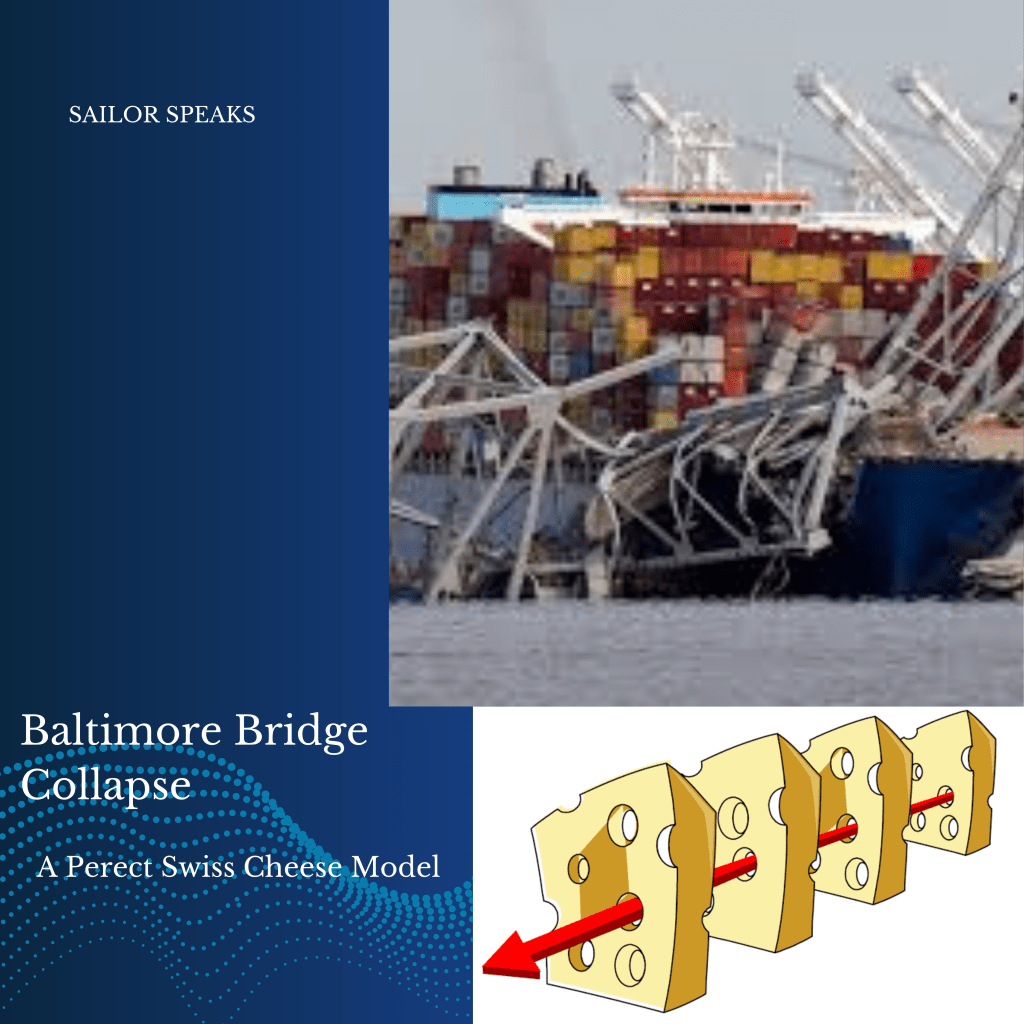
The tragic collision of the MV Dali with the Francis Scott Key Bridge in Baltimore on March 25, 2024, serves as a somber reminder of the catastrophic consequences that can arise from a confluence of technical malfunctions, human errors, and systemic vulnerabilities. This incident underscores the critical importance of robust safety protocols, proactive maintenance, and continuous improvement in both the maritime and infrastructure sectors.
Sequence of Events Leading to the Collapse:
Exhaust Damper Mishap: The initial trigger was a seemingly minor maintenance error—a crewmember mistakenly closed an exhaust damper on diesel generator number 2. This seemingly innocuous action set off a chain reaction of electrical failures, plunging the vessel into darkness.
Cascading Power Outages: The initial blackout led to the automatic activation of generator 3, which subsequently failed due to insufficient fuel pressure, resulting in a second blackout. The crew’s decision to switch to a different circuit (LR1 and HR1) instead of addressing the root cause further exacerbated the electrical issues.
The crew’s attempts to restore power by switching circuits only worsened the situation .As the vessel approached the bridge, breakers LR1 and HR1 unexpectedly tripped, causing a third blackout that shut down essential systems like the main engine cooling pumps, steering gear pumps, and bridge equipment.
Total Loss of Control: The cumulative effect of these power failures was a complete loss of control. The main engine and steering systems shut down, leaving the vessel adrift and unable to maneuver as it neared the bridge. Precious time was lost due to a delayed decision to deploy the anchor, further reducing the chances of averting the collision.
Structural Vulnerability: The Francis Scott Key Bridge, designed and constructed in an era of smaller vessels, proved woefully inadequate to withstand the impact of a modern cargo ship. Its lack of independent free-standing spans meant that the collapse of a single central support pillar would compromise the entire structure.
Failure of Safety Measures: Despite the presence of protective dolphins and the crew’s desperate attempts to regain control, the ship’s momentum carried it into the bridge, resulting in a catastrophic collapse. The location of hazardous material containers near the impact zone heightened the risk of environmental disaster and potential loss of life.
Crew Preparedness and Training: The incident revealed a critical gap in the crew’s preparedness and training. Their lack of familiarity with the ship’s electrical systems and inability to troubleshoot the power failures exacerbated the crisis.
The question here arises is, was it required to carry out such a defect rectification in restricted waters? Was it performance or captain’s pressure?
As per reports the standby DA didn’t start due to insufficient fuel pressure, then what was the need of changing circuits?
Why no tug boats in such waters? Why so much delay in dropping anchor?
Swiss Cheese Model
The events leading to the collapse exemplify the “Swiss cheese model” of accident causation, where multiple layers of safeguards fail, allowing a hazard to escalate into a catastrophe. However, this incident also underscores the need to go beyond the Swiss cheese model and consider the broader context of systemic vulnerabilities. The outdated design of the bridge, the ship’s “unseaworthy” condition prior to departure, and the potential for human error all contributed to the disaster.
Lessons Learned and Recommendations
Robust Safety Protocols: Comprehensive safety protocols, including regular drills and training exercises, are essential to ensure that crews are well-prepared to handle emergencies and unexpected malfunctions.
Proactive Maintenance and Inspections: Regular and thorough maintenance of both vessels and infrastructure, coupled with rigorous inspections, can identify and rectify potential weaknesses before they escalate into catastrophic failures.
Modernized Infrastructure Design: Bridges and other critical infrastructure must be designed and constructed to withstand the forces of modern vessels and potential hazards, incorporating the latest engineering standards and safety features.
Enhanced Bridge-Strike Mitigation: The incident highlights the need for a multi-layered approach to bridge-strike mitigation, including improved vessel traffic management systems, real-time monitoring, early warning systems, and physical barriers.
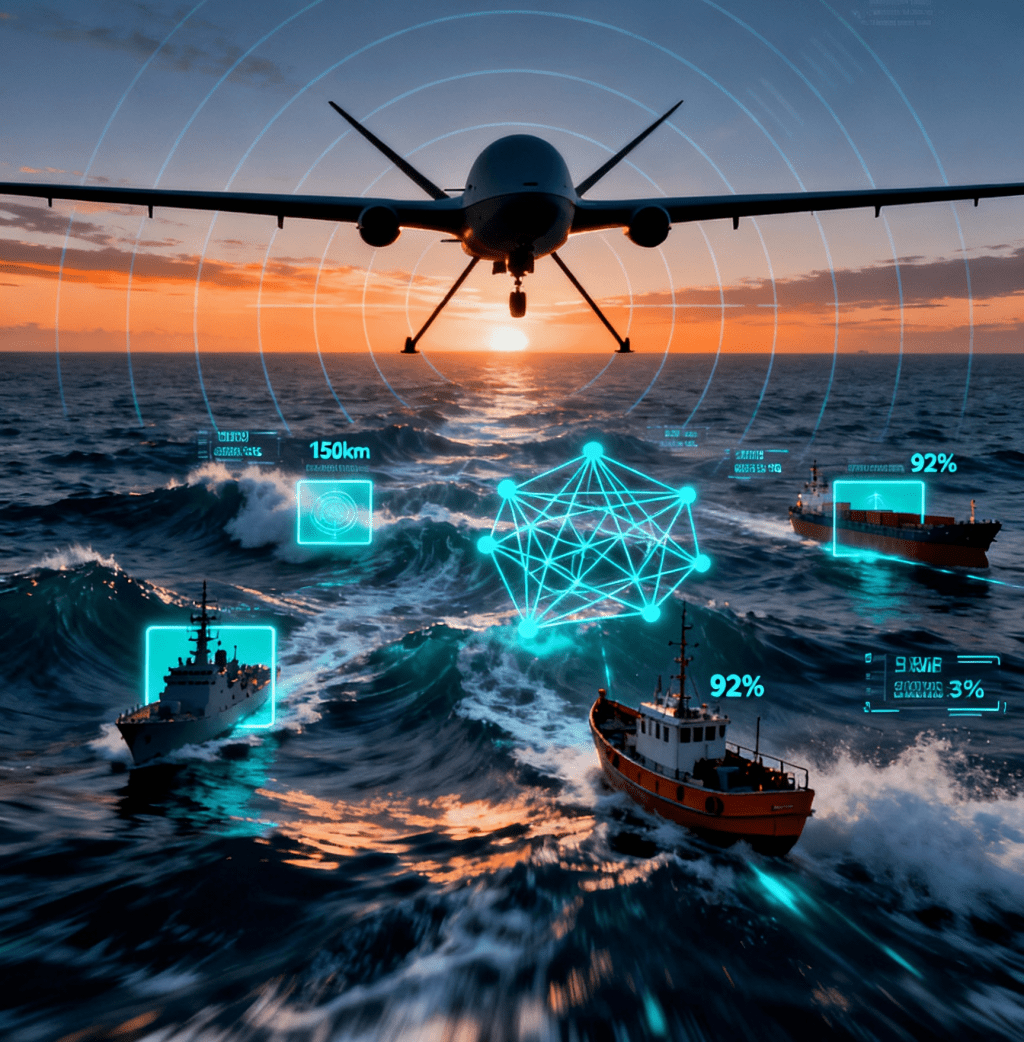
Technological Advancements: Embracing technological advancements, such as autonomous navigation systems and remote monitoring capabilities, can significantly enhance safety and reduce the risk of human error.
 Maritime Tales & Cutting Edge Sails
Leave a comment