
In the tumultuous waters of global geopolitics, a maelstrom of maritime security concerns is brewing. Special forces training is surging worldwide, high seas conflict looms large, Red Sea tensions are escalating, and global trade faces potential disruption. This in-depth analysis delves into the complexities of this crisis, examining naval exercises, Houthi attacks, geopolitical shifts, and the future of maritime safety.
Global Special Forces Training Intensifies
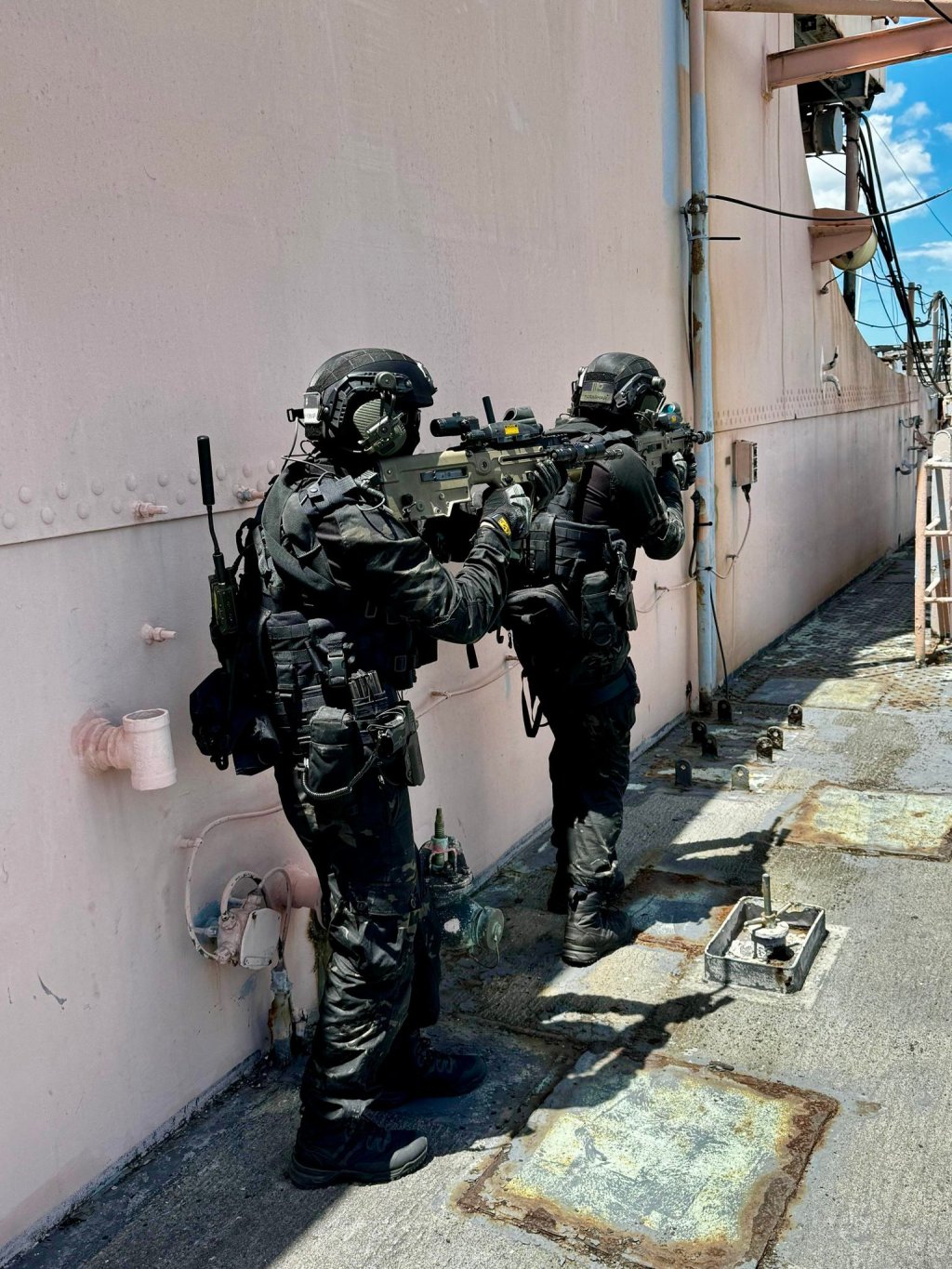
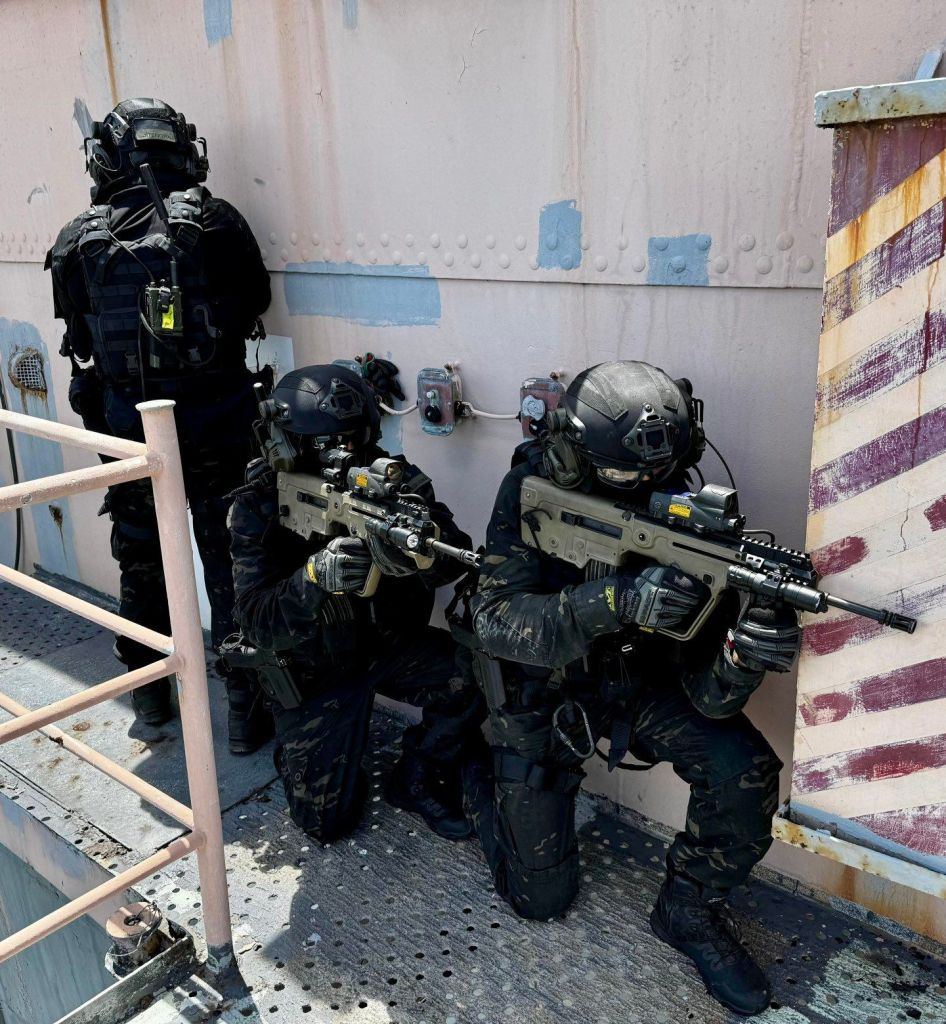
Naval forces worldwide are investing heavily in maritime interdiction, counter-piracy, and anti-terrorism training. From the U.S. Navy SEALs to the British Royal Marines, special forces are honing their skills for high-stakes maritime operations. This surge in training echoes the intense naval rivalries of the 18th and 19th centuries, signaling a growing recognition that the maritime domain is once again becoming a potential theater of conflict.
Red Sea Tensions: A Flashpoint for Conflict
The Red Sea has emerged as a focal point of geopolitical tension, with the ongoing conflict in Yemen spilling over into the maritime domain. Houthi forces backed by Iran are attacking commercial vessels, threatening to disrupt shipping. International naval forces have increased their presence in the region, raising concerns about escalation and unintended conflict.
Naval Exercises, Deployments, and Houthi Attack
The intensification of maritime security efforts is reflected in a surge of naval exercises and deployments. In 2023, the U.S. Navy conducted over 30 major exercises in the Middle East, many focused on maritime security. Meanwhile, Houthi attacks on commercial vessels continue unabated, with over 100 reported attacks or threats of attacks on ships in the Red Sea in 2023.
Geopolitical Shifts: Great Power Competition and Regional Rivalries
The intensification of maritime security efforts is taking place against a backdrop of intensifying great power competition and regional rivalries. The United States, China, Russia, and regional powers like Iran, Saudi Arabia, and Israel are vying for influence and pursuing their own strategic interests, often at odds with one another.
The Economic Stakes: Maritime Trade and Global Supply Chains
The global economy relies heavily on maritime trade, with over 90% of world trade by volume carried by sea. Any disruption to this flow can have far-reaching consequences, exacerbating economic vulnerabilities and leading to instability.
Trade Lane Recalibration
The shift in maritime activity highlights the need for trade lane recalibration. Businesses require new bunkering facilities and adaptation to emerging trends for sustained growth. Statistics show a 27% increase in passes around the Cape of Good Hope in the final week of December compared to the previous week, indicating a potential shift in trade patterns.
Predictive Fleet Analytics
Amid disruption, understanding shifting trade patterns is crucial for business operations. Predictive Fleet Analytics provides insights into current and historical trade flows, enabling informed decisions.
Port Congestion Management
Altered traffic patterns increase the risk of port congestion. Real-time updates on estimated time of arrival (ETA) at anchorage and estimated time to berth (ETB) are essential for smooth supply chain management.
Diplomacy, International Cooperation, and Responsible Force
The intensification of maritime security efforts is a double-edged sword. While essential to protect vital shipping routes and deter aggression, it also carries the risk of escalation and conflict. Diplomacy and international cooperation are crucial to resolve disputes peacefully and prevent conflict from spiraling out of control. International institutions like the IMO and ReCAAP play vital roles in maritime security efforts.
The maritime security crisis is a complex and multifaceted issue with far-reaching implications for global trade, security, and international relations. Prioritizing diplomacy, international cooperation, and responsible military force is essential to ensure a secure and prosperous future for all.

 Maritime Tales & Cutting Edge Sails
Leave a comment