


With 7,500 km of coastline, India’s maritime ambitions are far-reaching, aiming to redefine its role in global trade. The Sagarmala project, a $120 billion initiative, seeks to turn these ambitions into reality. But what does this mean for India’s economic future and global standing?
In the arena of geopolitics and economic strategy, the world’s oceans have always played a central role. As the 21st century progresses, India—under the leadership of Prime Minister Narendra Modi—is implementing a comprehensive maritime strategy that aims to transform the subcontinent’s coastlines and influence global trade patterns. The Sagarmala Project, an ambitious initiative in logistics and infrastructure, forms the cornerstone of this maritime transformation, while the strategic moves of industrial entities like the Adani Group provide complementary private sector impetus. This article examines the multifaceted approach India is taking to redefine its relationship with the sea, and the potential implications for power dynamics in the Indo-Pacific region and beyond.
The Sagarmala Project: A Comprehensive Approach to Maritime Development
Initiated in 2015, the Sagarmala Project represents a holistic approach to maritime infrastructure development. Rather than focusing solely on port facilities, Sagarmala encompasses a broad spectrum of interconnected initiatives designed to leverage India’s extensive coastline for economic growth and strategic advantage. According to the official Sagarmala website, the project is structured around five primary pillars:
1. Port Modernization & New Port Development
2. Port Connectivity Enhancement
3. Port-linked Industrialization
4. Coastal Community Development
5. Coastal Shipping & Inland Waterways Transport
This framework demonstrates the comprehensive nature of India’s maritime strategy, addressing not only infrastructure development but also industrial growth, community welfare, and transportation efficiency.
Port Modernization & New Port Development
India handled 1.2 billion tonnes of cargo in 2022, up from 871 million tonnes in 2012 and as of latest formal data, 94 projects have been completed under Sagarmala, with an investment of $10 billion.The modernization of existing ports and the development of new ones form the backbone of the Sagarmala initiative. This pillar aims to increase India’s port capacity significantly, with projections suggesting an expansion from 1,500 million tonnes per annum (MTPA) to 3,000 MTPA by 2035. The strategy includes the development of six new mega ports, strategically positioned to optimize trade routes and reduce logistics costs. Mundra is now the busiest port in India, handling over 150 million tonnes annually. Modernization efforts focus on implementing advanced technologies such as automated cargo handling systems, digital port management solutions, and enhanced security measures. These upgrades are designed to improve operational efficiency, reduce turnaround times, and position Indian ports as competitive players in the global maritime sector.
Port Connectivity Enhancement
Recognizing that a port’s efficiency is only as good as its connections to the hinterland, Sagarmala places significant emphasis on enhancing port connectivity. This pillar encompasses projects aimed at improving road, rail, and inland waterway links between ports and industrial centers.Key initiatives include the development of dedicated freight corridors, the expansion of coastal roadways, and the enhancement of last-mile connectivity to ports. By addressing bottlenecks in the transportation network, these projects aim to reduce logistics costs and improve the overall competitiveness of Indian exports.
Port-linked Industrialization
The port-linked industrialization component of Sagarmala represents a strategic approach to economic development. This pillar focuses on the creation of industrial clusters and special economic zones (SEZs) in close proximity to major ports. By co-locating manufacturing and export facilities, this strategy aims to minimize transportation costs and time, creating efficient export-oriented industrial ecosystems. Industries targeted for development under this initiative include automotive, electronics, food processing, and petrochemicals, among others.
Coastal Community Development
Recognizing the potential social impact of large-scale maritime development, Sagarmala incorporates a dedicated pillar for coastal community development. This aspect of the project aims to ensure that the benefits of maritime growth are distributed equitably and that traditional coastal communities are not marginalized in the process of modernization. Initiatives under this pillar include skill development programs for coastal populations, support for traditional livelihoods such as fishing, and the development of coastal tourism. These efforts are designed to create new economic opportunities for coastal communities while preserving cultural heritage and traditional ways of life.
Coastal Shipping & Inland Waterways Transport
The fifth pillar of Sagarmala focuses on promoting coastal shipping and inland waterways as efficient alternatives to road and rail transport. This strategy aims to leverage India’s extensive coastline and river systems to create a more balanced and environmentally sustainable transportation network. Projects in this category include the development of new coastal shipping routes, the modernization of inland waterway infrastructure, and the promotion of river-sea vessels capable of navigating both coastal and inland waters. By shifting a portion of cargo transport to waterways, India aims to reduce transportation costs, alleviate congestion on roads, and decrease the environmental impact of freight movement.
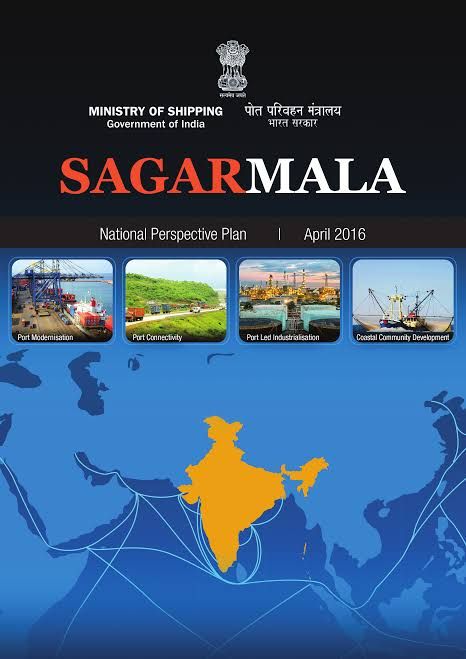
India accounts for about 2.2% of global seaborne trade as of 2023 and India’s expanding maritime presence and strategic partnerships may alter regional power dynamics, potentially leading to increased tensions or competition. Navigating these geoIndia’s comprehensive approach to maritime development, as embodied in the Sagarmala project and complemented by private sector initiatives, represents a significant shift in the country’s economic and strategic orientation. By leveraging its extensive coastline and strategic location, India aims to position itself as a key player in global maritime trade and a influential force in the Indo-Pacific region.
The success of this maritime strategy will depend on effective implementation, adaptive policymaking, and the ability to balance economic objectives with environmental and social considerations. As India continues to develop its maritime capabilities, the ramifications will extend beyond its borders, potentially reshaping trade routes, regional security dynamics, and the broader geopolitical landscape of the Indo-Pacific. In the coming decades, the evolution of India’s maritime strategy will be a critical factor to watch, not only for its impact on the Indian economy but also for its potential to influence global trade patterns and the balance of power in one of the world’s most strategically significant regions.political waters while maintaining beneficial relationships with diverse partners will require careful diplomatic maneuvering.
Modi’s Maritime Vision: Integrating Economic and Strategic Objectives
Prime Minister Narendra Modi’s approach to maritime development extends beyond infrastructure improvements, encompassing a broader vision of India as a maritime power. This vision integrates economic objectives with strategic considerations, positioning India as a key player in the Indo-Pacific region. Modi’s maritime strategy emphasizes the concept of the “Blue Economy,” which seeks to integrate oceanic resources into India’s economic planning. This approach extends to sectors such as fisheries, aquaculture, marine biotechnology, and offshore energy production. The Blue Economy initiative aims to sustainably harness maritime resources while creating new economic opportunities. Projects under this umbrella include the development of deep-sea fishing capabilities, the exploration of seabed minerals, and investments in ocean-based renewable energy technologies.
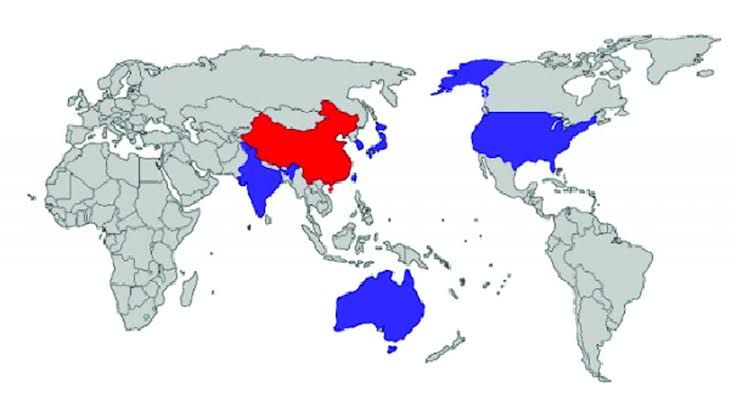
Complementing the economic aspects of India’s maritime strategy is a concerted effort to enhance naval capabilities. The commissioning of India’s first indigenously built aircraft carrier, INS Vikrant and adding a second nuke powered submarine exemplifies the nation’s commitment to naval modernization. Beyond military considerations, this naval expansion serves to protect India’s maritime interests, secure vital sea lanes, and project influence across the Indian Ocean region. It also positions India as a capable partner in maintaining regional maritime security, aligning with broader strategic initiatives such as the Quadrilateral Security Dialogue (Quad).
Diplomatic Initiatives and International Cooperation
Modi’s maritime vision extends to the diplomatic sphere, with India actively engaging in maritime cooperation initiatives. The Indo-Pacific Oceans Initiative (IPOI), proposed by Modi in 2019, seeks to create a framework for collaborative maritime governance in the region. Through such initiatives, India aims to strengthen its position as a responsible maritime stakeholder and foster partnerships that can counterbalance other regional influences. This diplomatic approach complements the infrastructure development under Sagarmala, creating a multifaceted maritime strategy.
The Role of Private Enterprise: Adani Group’s Maritime Expansion
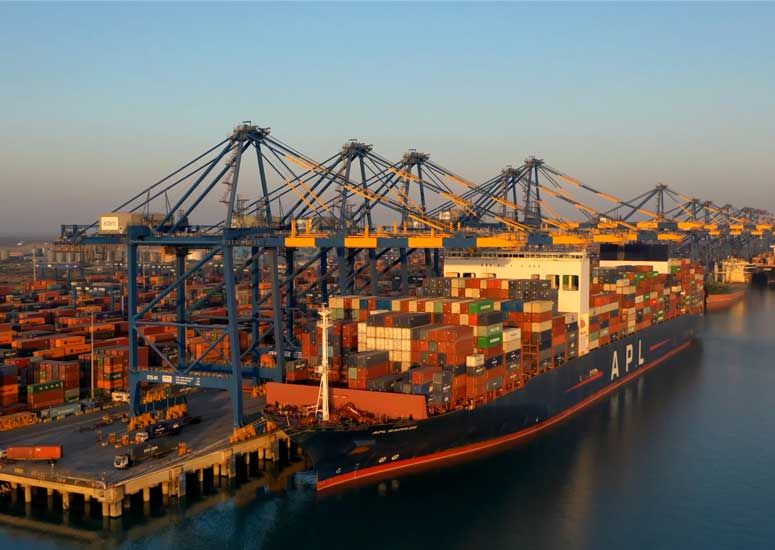
The implementation of India’s maritime strategy involves significant participation from the private sector, with the Adani Group emerging as a notable player in this domain. The group’s activities in port development, logistics, and international expansion offer insights into the interplay between government policy and private sector initiatives in shaping India’s maritime future. The Mundra Port, a flagship of the Adani Group, exemplifies India’s successful maritime modernization. As one of the largest ports in the world, its cargo handling capacity has increased by 35% over the past three years, positioning India as a pivotal player in Asian trade routes.
Port Operations and Development
Adani Ports and Special Economic Zone (APSEZ) has established itself as a major force in India’s port sector, operating multiple ports along the Indian coastline. The company’s approach to port development aligns closely with the objectives of the Sagarmala project, focusing on modernization, efficiency, and integration with industrial clusters.
Integrated Logistics Networks
Beyond port operations, the Adani Group has invested heavily in creating integrated logistics networks. This strategy, which includes investments in rail and road connectivity, complements the port connectivity enhancement pillar of Sagarmala. By creating end-to-end logistics solutions, the group aims to reduce transportation costs and improve the competitiveness of Indian exports.
The Adani Group’s acquisition of international port assets, such as Haifa Port in Israel, represents a private sector parallel to India’s broader maritime ambitions. Such investments potentially provide strategic advantages in terms of trade routes and geopolitical influence, aligning with the government’s vision of an expanded Indian maritime presence.
Challenges and Considerations
With increase in coastal shipping tonnage by 30% from 2017 to 2022 the India’s maritime strategy presents significant opportunities for economic growth and strategic advancement, it also faces several challenges like India’s logistics costs as a percentage of GDP stand at 13-14%, much higher than the global average of 8-9% and India still requires around $100 billion to meet the full potential of the Sagarmala project. Attracting sufficient capital, both domestic and international, and ensuring efficient project implementation pose ongoing challenges. The success of public-private partnerships and the government’s ability to create an attractive investment environment will play key roles in realizing the vision of Sagarmala.
Conclusion: India’s Maritime Future in a Global Context
India’s comprehensive approach to maritime development, as embodied in the Sagarmala project and complemented by private sector initiatives, represents a significant shift in the country’s economic and strategic orientation. By leveraging its extensive coastline and strategic location, India aims to position itself as a key player in global maritime trade and a influential force in the Indo-Pacific region.
But what does this transformation mean for the average Indian? Beyond the numbers, India’s maritime dream promises jobs, better infrastructure, and a stronger economy.
The maritime sector contributes nearly 4% to India’s GDP and Sagarmala aims to create 4 million direct and indirect jobs by 2025.
The success of this maritime strategy will depend on effective implementation, adaptive policymaking, and the ability to balance economic objectives with environmental and social considerations. As India continues to develop its maritime capabilities, the ramifications will extend beyond its borders, potentially reshaping trade routes, regional security dynamics, and the broader geopolitical landscape of the Indo-Pacific.
“In the next decade, India will emerge as a leading maritime power,” predicts Commodore Anil Jai Singh, a maritime analyst. “Sagarmala is just the beginning – it’s a statement of intent from a nation ready to take its rightful place on the global stage.”
 Maritime Tales & Cutting Edge Sails
Leave a comment