
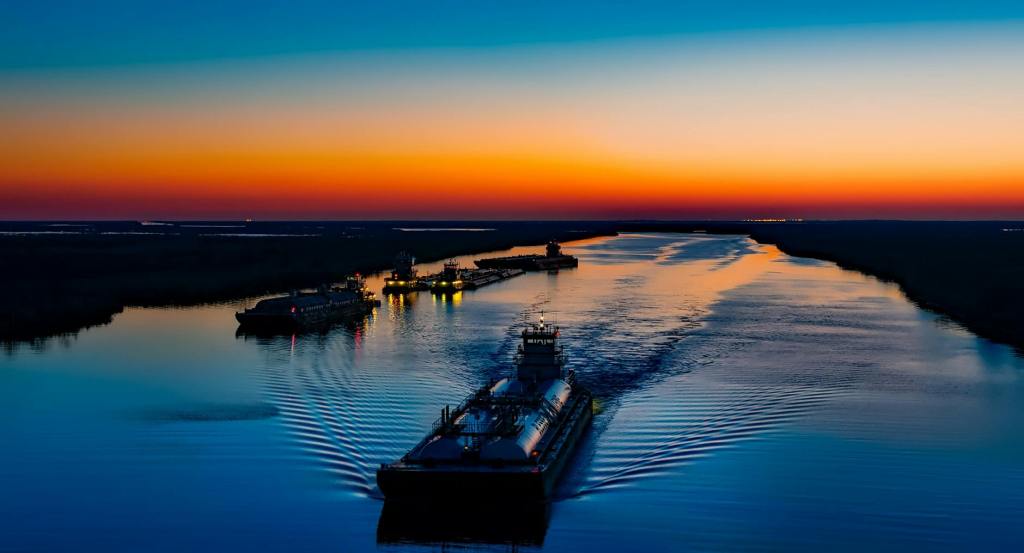
The maritime transportation industry, the lifeline of global trade, faces a complex crossroads. While it remains the most cost-effective method for transporting vast quantities of goods across vast distances, it grapples with several limitations hindering efficiency, safety, and sustainability.
Global maritime trade currently accounts for roughly 90% of world trade volume, transporting over 11 billion tons of cargo. However, the industry faces numerous challenges with changing geographical, market and socio-economic dynamics. Traditional ship operations are labor-intensive, with crew fatigue and human error contributing to a significant share of maritime accidents and with changing dynamics, the approach by the shipping industry needs a technology revision. Furthermore, the industry struggles with environmental concerns and reduction towards carbon footprints. Shipping contributes to roughly 3% of global CO2 emissions and is a significant source of air and water pollution. Additionally, congestion in major ports and waterways creates logistical bottlenecks, further hindering efficiency.
12 years ago, when I joined the maritime sector, autonomous ships seemed futuristic and unachievable in the near future. My biggest challenge in understanding autonomous shipping has been ensuring real time effective communication and control channels across the globe, especially far from landmasses.
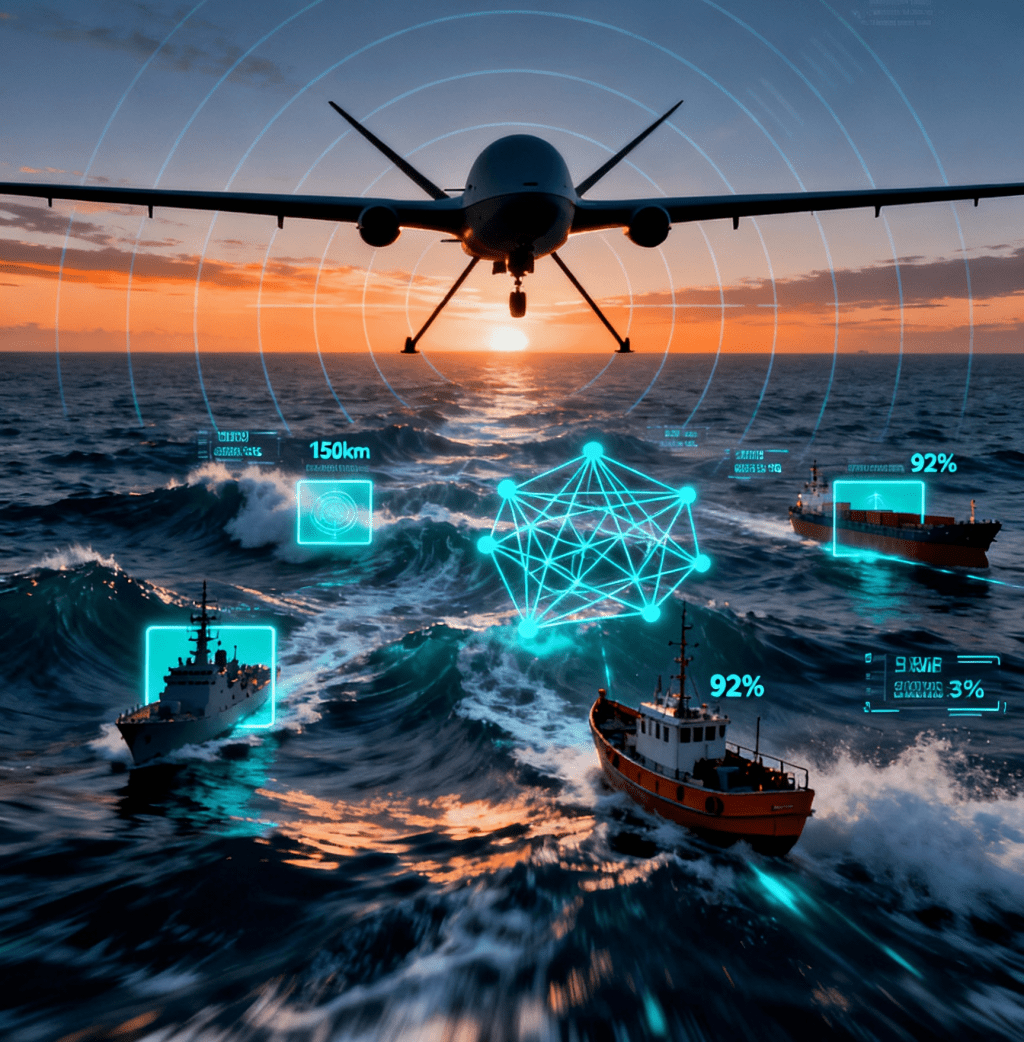
A couple of days ago, I came across something fascinating: Massterly, a company developing autonomous ship technology, is leading the charge towards a future where autonomous vessels redefine maritime transportation. These autonomous ships, equipped with advanced sensor suites, artificial intelligence (AI), and sophisticated decision-making algorithms, promise to operate independently, navigating complex maritime environments without human intervention. This technology brings a unique integration of existing and futuristic technologies to the maritime industry across several key dimensions. It promises enhanced safety through reduced human error, increased operational efficiency with substantial cost savings through crewless operation and AI-optimized routes, and environmental sustainability by utilizing cleaner fuels and reducing emissions through optimized voyages.
A Deeper Dive: Exploring the Technology, Applications, and Future Implications
While the potential benefits are undeniable, the integration of autonomous ships poses numerous challenges. Regulatory frameworks need to be established to ensure safe and responsible operation. Technical considerations such as cybersecurity and communication infrastructure development require careful attention. The social impact on traditional maritime jobs and the ethical considerations surrounding autonomous decision-making demand exploration.
This article explores potential opportunities & complexities, providing a detailed analysis of Massterly’s autonomous ship technology and this can be a major milestone in the futuristic era of autonomous shipping with a roadmap for its safe and sustainable integration into the maritime transportation ecosystem.
The Technology
Massterly’s autonomous ships represent a technological leap forward, promising to reshape the maritime landscape. This transformation hinges on a complex interplay of cutting-edge technologies that enable these vessels to navigate independently across vast stretches of water. Let’s delve into the core technological pillars that empower Massterly’s autonomous ships:
Sensing the Environment: A Multi-Sensory Approach
- Sensors: The foundation of autonomous navigation lies in a comprehensive suite of sensors that sense the environment of the vessel. Massterly’s ships likely utilize a combination of:
- Global Navigation Satellite Systems (GNSS): These systems, akin to GPS, provide precise positioning data through satellite constellations. However, GNSS signals can be unreliable near landmasses or during bad weather.
- Inertial Measurement Units (IMUs): These units continuously track the ship’s motion, measuring acceleration, rotation, and orientation. IMUs are vital for navigation during GNSS outages.
- LiDAR (Light Detection and Ranging): LiDAR systems emit laser pulses and measure the reflected light to create highly detailed 3D maps of the surroundings. This technology excels at obstacle detection and precise positioning, especially in port environments.
- RADAR (Radio Detection and Ranging): RADAR transmits radio waves and analyzes their reflections to detect objects regardless of lighting conditions. While not as detailed as LiDAR, RADAR offers superior range for long-distance obstacle detection at sea.
- Cameras: High-resolution, long distance, visual and IR capable cameras providing visual data for situational awareness, target identification, and real-time traffic monitoring.
- Data Fusion: The raw data collected from these diverse sensors is fused and processed in real-time using sophisticated algorithms. This creates a comprehensive picture of the ship’s surroundings, enabling accurate localization, obstacle avoidance, and safe navigation.
Intelligent and Informed Decision-Making
Artificial Intelligence (AI): This system likely utilizes a combination of technology & techniques like:
- Rule-based Systems: Programmed with a vast set of maritime regulations, collision avoidance protocols, and operational guidelines, the AI ensures the ship adheres to all safety standards.
- Machine Learning (ML): ML algorithms continuously learn and adapt from real-world data. By analyzing past voyages, weather patterns, and operational experiences, the ML component can optimize route planning, improve decision-making in dynamic situations, and enhance overall navigation efficiency.
- Control Systems: The AI system translates its decisions into actions by controlling the ship’s propulsion, steering, and other critical systems. This ensures the vessel adheres to the planned course while responding to real-time changes in the environment.
Staying Connected: Communication Infrastructure
Here comes the most challenging part of the job, continuous monitoring, both inward and outward of the vessel, required for machinery health supervision & voyage watchkeeping.
- Satellite Communication: Continuous and reliable communication with land-based control centers is crucial for monitoring and intervention if necessary. Massterly’s ships likely utilize robust satellite communication systems to maintain a constant information flow.
- Vehicle-to-Everything (V2X) Communication: As the technology matures, V2X communication could play a significant role. V2X allows autonomous ships to “talk” to other vessels, infrastructure, and shore control centers, enabling real-time sharing of information on traffic patterns, weather conditions, and potential hazards.
Challenges
Despite the impressive capabilities of Massterly’s technology, autonomous navigation in complex maritime environments presents significant challenges:
- Dynamic Weather Conditions: From unpredictable storms to dense fog, weather can significantly impact sensor performance and disrupt navigation plans. AI systems need to be robust enough to adapt to changing weather patterns and ensure safe operation.
- Unforeseen Obstacles: While sensors can detect most obstacles, unforeseen objects like drifting containers or marine life pose significant challenges. The AI system needs to be able to react appropriately and make split-second decisions in such situations.
- Cybersecurity Threats: Autonomous ships are vulnerable to cyberattacks that could disrupt navigation or take control of the vessel. Robust cybersecurity measures are essential to ensure safe and reliable operation.
These challenges highlight the ongoing need for research and development in sensor technology, AI algorithms, and communication infrastructure. As Massterly and other companies continue to refine their technology, autonomous ships have the potential to revolutionize the maritime industry, ushering in an era of safer, more efficient, and environmentally sustainable transportation.
The Value Proposition of Autonomous Ships: A Multifaceted Approach to Transformation
Massterly’s autonomous ship technology presents a compelling value proposition for the maritime industry, promising significant economic, safety, and environmental benefits. Let’s delve deeper into each aspect, exploring the potential transformative impact on global maritime transportation.
Unlocking Economic Advantages:
- Reduced Labor Costs: One of the most significant cost drivers in traditional shipping is crew salaries and benefits. Autonomous ships eliminate the need for onboard personnel, leading to substantial cost savings for shipping companies. A 2021 study by McKinsey & Company estimates that autonomous ships could reduce crew-related expenses by up to 90%. These savings can be reinvested in technological advancements, fleet expansion, or even passed on to consumers through lower freight costs.
- Increased Operational Efficiency: Beyond crew costs, autonomous ships offer potential for increased operational efficiency through several means:
- Optimized Route Planning: AI-powered route planning algorithms can analyze real-time weather conditions, currents, and traffic patterns to determine the most efficient route. This can lead to shorter voyage times and reduced fuel consumption.
- 24/7 Operations: Autonomous ships are not limited by crew fatigue or rest periods. They can operate continuously, maximizing utilization and potentially increasing the number of voyages undertaken per year.
- Reduced Maintenance Costs: By eliminating human error and operating within predetermined parameters, autonomous ships could experience reduced wear and tear on machinery, leading to lower maintenance costs.
A 2023 study by the International Transport Forum (ITF) estimates that autonomous ships could improve overall operational efficiency by up to 15%, translating to billions of dollars in savings for the industry [2]. These efficiency gains also contribute to environmental benefits by reducing fuel consumption and associated emissions.
- Fuel Savings: The efficiency benefits discussed above can lead to significant fuel savings. Optimized route planning, reduced unnecessary maneuvering, and potentially operating at more optimal speeds can contribute to lower fuel consumption. Additionally, the future integration of cleaner fuel technologies like electric or hydrogen propulsion systems with autonomous ships can further enhance environmental sustainability.
Enhancing Safety at Sea:
Human error remains a leading cause of maritime accidents. Autonomous ships have the potential to significantly improve safety by eliminating many human-related factors that contribute to accidents:
- Reduced Human Error: Autonomous ships rely on pre-programmed protocols, real-time sensor data, and AI decision-making, eliminating the possibility of human fatigue, misjudgment, or distraction-related accidents.
- Enhanced Situational Awareness: Advanced sensor suites, including LiDAR, RADAR, and high-resolution cameras, provide a 360-degree view of the surroundings, exceeding the capabilities of human vision. This allows autonomous ships to detect obstacles and potential hazards at a much greater distance.
- Improved Adherence to Safety Protocols: Autonomous ships are programmed to strictly adhere to established maritime safety regulations and collision avoidance protocols. This ensures consistent and predictable behavior, reducing the risk of collisions and groundings.
A 2022 study by the American Bureau of Shipping (ABS) found that autonomous ships could potentially reduce maritime accidents by up to 90% [3]. This dramatic decrease in accidents translates to a safer working environment for seafarers, reduced risk of environmental damage from oil spills or cargo loss, and lower insurance costs for shipping companies.
Hope for a Sustainable Future:
The environmental impact of the maritime industry is a growing concern. Autonomous ships offer a potential pathway towards a more sustainable future for maritime transportation:
- Emission Reduction Through Cleaner Fuels: Autonomous ships can be designed to operate on cleaner fuels like electricity, hydrogen, or biofuels. This can significantly reduce emissions of harmful pollutants like sulfur oxides (SOx), nitrogen oxides (NOx), and particulate matter (PM) compared to traditional fossil fuels.
- Optimized Routes and Reduced Fuel Consumption: As discussed earlier, AI-powered optimization of routes can lead to reduced fuel consumption and associated emissions. Additionally, operating at more efficient speeds and avoiding unnecessary maneuvering can further contribute to a smaller environmental footprint.
A 2020 study by the Maersk Mc-Kinney Moller Center for Zero-Carbon Shipping estimates that by utilizing cleaner fuels and optimizing operations, autonomous ships could achieve a 50% reduction in CO2 emissions compared to traditional vessels. This reduction is crucial in the fight against climate change and aligns with the International Maritime Organization’s (IMO) strategy to reduce greenhouse gas emissions from shipping by at least 50% by 2050.
- Reduced Traffic Congestion on Land: The increased efficiency and potential for 24/7 operation of autonomous ships could lead to a modal shift in cargo transportation. By moving more freight from land to sea, autonomous ships can potentially contribute to reduced traffic congestion on land. This translates to several environmental and economic benefits:
- Reduced Greenhouse Gas Emissions: Shifting cargo from land to sea can help reduce reliance on trucks, which are significant contributors to greenhouse gas emissions, particularly in congested urban areas.
- Improved Air Quality: Reduced traffic congestion leads to lower overall emissions, improving air quality in cities and surrounding areas. This can lead to significant public health benefits.
- Enhanced Infrastructure Efficiency: Less wear and tear on roads and bridges from reduced truck traffic can extend their lifespan and lower overall infrastructure maintenance costs.
Navigating the Road Ahead: Challenges and Opportunities
While the value proposition of autonomous ships is undeniable, the technology is still in its early stages of development. Several challenges need to be addressed before widespread adoption becomes a reality:
- Regulatory Framework: A robust regulatory framework needs to be developed to govern the safe operation of autonomous ships. This includes establishing clear rules of the road, liability considerations in case of accidents, and cybersecurity protocols to prevent hacking or malicious interference.
- Acceptance and Integration: The maritime industry is traditionally risk-averse. Gaining acceptance for autonomous ships from stakeholders like insurers, port authorities, and seafarers will require clear demonstrations of safety and reliability.
- Data Security and Privacy: The vast amount of data collected by autonomous ships raises concerns about data security and privacy. Robust measures need to be in place to protect sensitive information and prevent cyberattacks.
Despite these challenges, the potential benefits of autonomous ships are significant and warrant continued investment and development. Collaboration between governments, industry leaders, and technology companies will be crucial in overcoming these hurdles and paving the way for a future where autonomous ships reshape the maritime landscape, ushering in an era of safer, more efficient, and environmentally sustainable transportation across the vast oceans of our world.
Case Studies and Real-World Applications: Charting the Course for Autonomous Navigation
While Massterly remains a relatively young company, the concept of autonomous ships is gaining traction worldwide. Several real-world projects and case studies offer valuable insights into the successes, challenges, and lessons learned on the path towards autonomous maritime transportation:
The Yara Birkeland Project (Norway)
Launched in 2017 by fertilizer company Yara, the Yara Birkeland project represents a pioneering effort in autonomous shipping. This electric-powered vessel autonomously navigates a 67-kilometer route along the Norwegian coast, transporting fertilizer between two Yara production facilities.
Successes:
- Reduced Emissions: The Yara Birkeland operates on electric power, eliminating emissions entirely on its short route and contributing to a cleaner environment.
- Increased Operational Efficiency: Autonomous operation has resulted in more predictable schedules and reduced reliance on crew, leading to increased efficiency.
Challenges
- Regulatory Hurdles: Obtaining regulatory approval for autonomous operation in open waters proved to be a significant challenge. The project relied on a remote captain stationed onshore who could intervene if necessary.
- Limited Scope: The Yara Birkeland operates on a short, well-defined route in a controlled environment. Scaling up autonomous operation for longer, more complex voyages will require further technological advancements.
Lessons Learned
- Collaboration is Key: The Yara Birkeland project involved collaboration between Yara, Kongsberg Maritime (technology provider), and Norwegian authorities. This collaborative approach is crucial for successful development and integration of autonomous shipping technology.
- Regulatory Framework Development: The Yara Birkeland case highlights the need for a clear regulatory framework to govern the safe and responsible operation of autonomous ships in international waters.
The Mayflower Autonomous Ship (MAS) Project (USA)
The Mayflower Autonomous Ship (MAS) project aims to recreate the historic voyage of the Mayflower in 2020, albeit with a fully autonomous vessel. The MAS utilizes a trimaran design and a suite of sensors and AI algorithms to navigate across the Atlantic Ocean.
Successes:
- Technological Advancement: The MAS project showcases the development of robust sensor fusion and AI decision-making capabilities for autonomous navigation in open waters.
- Public Outreach: The project has generated significant public interest and helped raise awareness of the potential benefits of autonomous shipping.
Challenges:
- Technical Issues: The MAS encountered technical challenges during its maiden voyage, including sensor malfunctions and software bugs, highlighting the need for continuous improvement and testing.
- Cybersecurity Concerns: Autonomous ships are vulnerable to cyberattacks. The MAS project highlighted the importance of robust cybersecurity measures to ensure safe and reliable operation.
Lessons Learned:
- Importance of Rigorous Testing: Thorough testing in diverse environments is essential to identify and address technical glitches before autonomous ships undertake long-distance voyages.
- Cybersecurity Measures are Imperative: Assigning high priority to cybersecurity measures will be crucial to safeguard autonomous ships from potential cyberattacks and ensure secure operation.
Looking Ahead: Implications for Future Development
The Yara Birkeland and MAS projects provide valuable insights into the opportunities and challenges associated with autonomous shipping. Several key takeaways inform the future development of this technology:
- Gradual Implementation: A phased approach, starting with short, well-defined routes and progressing towards longer voyages, can offer a safe and controlled path for integration.
- Collaboration and Public Engagement: Collaboration between industry stakeholders, regulators, and the public is essential for facilitating acceptance and developing a robust regulatory framework.
- Continuous Innovation and Testing: Investment in ongoing research and development is crucial to improve sensor technology, AI algorithms, and cybersecurity measures to enhance the capabilities and reliability of autonomous ships.
By learning from these real-world case studies and addressing the identified challenges, the future of autonomous shipping appears promising. Massterly and other companies building this technology have the potential to revolutionize the maritime industry, ushering in a future of safer, more efficient, and environmentally sustainable transportation across the vast expanse of our oceans.
Regulatory Landscape and Challenges
As Massterly’s autonomous ship technology progresses, navigating the regulatory landscape presents a significant hurdle. The current framework for maritime regulations was not designed for autonomous vessels, creating uncertainties and limitations for their safe and widespread adoption.
The Limitations of Existing Regulations:
The International Maritime Organization (IMO), the governing body for international shipping, has yet to establish a comprehensive regulatory framework for autonomous vessels. Current regulations focus on crew qualifications, safety protocols, and pollution control measures, all of which require human oversight. Adapting these regulations to address the unique aspects of autonomous operation poses several challenges:
- Collision Avoidance Rules: Existing collision avoidance rules (COLREGs) rely on visual observation and communication between vessels. Autonomous ships require alternative methods for situational awareness and decision-making to ensure safe navigation, potentially necessitating revisions to COLREGs.
- Cybersecurity Considerations: The vulnerability of autonomous ships to cyberattacks necessitates robust cybersecurity protocols to be integrated into regulations, ensuring safe and reliable operation.
- Liability and Insurance: Determining liability in case of accidents involving autonomous ships remains unclear. Current maritime liability frameworks assign blame to the captain or crew. Who is accountable if an autonomous system makes a faulty decision? Regulations need to address these uncertainties to encourage insurance companies to provide adequate coverage for autonomous vessels.
The Urgency for Collaboration:
To overcome these limitations, collaboration between industry leaders and regulatory bodies is crucial. A multi-stakeholder approach can foster the development of clear and adaptable guidelines for the safe and responsible operation of autonomous ships:
- Industry Expertise: Technology companies like Massterly possess deep understanding of the capabilities and limitations of autonomous ship technology. Their expertise can be instrumental in shaping regulations that are both practical and effective.
- Regulatory Bodies: The IMO and national maritime authorities hold the responsibility for establishing safety standards and enforcing regulations. They need to adapt to emerging technologies by engaging with stakeholders to develop clear and forward-thinking regulations.
- Classification Societies: These organizations establish safety standards and provide classification services for ships. Their involvement is crucial in ensuring that autonomous ships meet rigorous safety requirements before commercial operation.
Maze of Liability and Insurance
The issue of liability in case of an accident involving an autonomous ship remains an unresolved challenge:
- Defining Responsibility: Is the manufacturer of the autonomous system liable? The operator? Regulations need to clearly define who is responsible for the actions of an autonomous ship in different scenarios.
- Insurance Considerations: Insurance companies are hesitant to provide coverage for autonomous ships due to the uncertainty surrounding liability. Clear regulations will help establish risk profiles and pave the way for the development of appropriate insurance products.
The Road to Safe and Sustainable Seas
Addressing these regulatory challenges and fostering collaboration are crucial steps towards the safe and sustainable integration of autonomous ships into the maritime industry. As regulations evolve and the industry matures, we can expect a future where autonomous ships navigate the seas with confidence, contributing to a safer, more efficient, and environmentally friendly maritime transportation system.
Future Outlook and Recommendations: Steering Towards a Sea of Opportunity
Massterly’s autonomous ship technology holds immense potential to transform the maritime industry. As we look towards the horizon, several exciting possibilities emerge, shaping the future of autonomous shipping:
Expanding the Capabilities: The initial focus of autonomous ships may be on short-sea routes and specific cargo types. However, the future holds promise for broader application:
- Diversification of Vessel Types: Beyond cargo ships, autonomous technology has the potential to revolutionize other vessel types. This could include autonomous tankers, tugboats, passenger ferries, and even research vessels, expanding the scope and efficiency of maritime operations.
- Handling Diverse Cargo Categories: As technology matures, autonomous ships could safely handle a wider range of cargo categories, including containerized goods, bulk commodities, and potentially even temperature-controlled or hazardous materials with robust safety protocols in place.
Seamless Integration with Existing Infrastructure
For autonomous ships to reach their full potential, seamless integration with existing maritime infrastructure is vital:
- Port Automation: Ports will need to invest in automation technologies to enable efficient cargo handling and berthing of autonomous vessels. This could involve automated cranes, mooring systems, and communication infrastructure.
- Traffic Management Systems: Enhanced maritime traffic management systems (VTMIS) will be crucial for facilitating safe and efficient interaction between autonomous vessels and traditional manned ships. Real-time data sharing and communication protocols will be essential.
Recommendations for Massterly’s Continued Success
To stay ahead of the curve and ensure its technology thrives in this evolving landscape, Massterly can focus on several key areas:
- Continued R&D Efforts: Continuous investment in research and development is vital. This includes refining sensor technology, improving AI algorithms for decision-making, and enhancing cybersecurity measures.
- Collaboration is Key: Massterly should foster collaboration with various stakeholders for successful integration:
- Shipbuilders: Collaboration with shipbuilders can ensure new vessels are designed to seamlessly integrate autonomous technology.
- Insurers: Working with insurance companies to establish clear risk profiles and develop appropriate insurance products for autonomous ships is crucial.
- Port Authorities: Collaboration with port authorities is vital for developing communication protocols and infrastructure upgrades to facilitate the safe and efficient operation of autonomous ships in port environments.
- Public Outreach and Education: Educating the public and addressing concerns about autonomous ships is essential. Massterly can play a vital role in fostering public trust and acceptance of this technology through clear communication and transparency.
Conclusion
The future of maritime transportation is poised for a paradigm shift with the emergence of autonomous ship technology. Massterly, with its innovative approach, stands at the forefront of this revolution. By addressing the remaining challenges, fostering collaboration, and continuing to refine its technology, Massterly can unlock the vast potential of autonomous ships, leading the way towards a safer, more efficient, and environmentally sustainable maritime industry for the future.
Conclusion: Charting a Course for a Brighter Maritime Future
Massterly’s autonomous maritime shipping technology offers a imminent transformation of maritime commerce. This pioneering approach promises a multitude of advantages for both the industry and the environment.
Enhanced Safety: By eliminating human error, a significant reduction in maritime accidents is anticipated with the advent of self-driving ships. This will not only foster a safer working environment for seafarers, but also minimize the risk of environmental damage from spills and cargo loss.
Increased Operational Efficiency: AI-powered logistical routing, uninterrupted transportation capabilities, and diminished repair costs all contribute to a significant rise in operational efficiency. This, in turn, translates to reduced transportation costs, potentially yielding benefits for consumers as well.
Environmental Sustainability: The integration of green alternatives such as electric and hydrogen propulsion systems with autonomous ship technology, coupled with optimized routing, offers the prospect of a dramatic decrease in emissions. This would represent a substantial contribution towards a more sustainable future for global trade.
The complete realization of this vision hinges upon effectively addressing the regulatory complexities surrounding autonomous vessels. To achieve this, fostering collaboration amongst industry leaders, regulatory bodies, and classification societies is paramount. Through such collaborative efforts, a robust framework of clear and adaptable guidelines can be established, ensuring the safe and responsible operation of these vessels. Furthermore, addressing issues of liability and insurance within these regulations will be crucial to incentivize broader adoption of this transformative technology.
The prospect of autonomous vessels presents a compelling vision for the future of maritime transportation. Technological advancements serve as a potent catalyst for change, enabling collaboration within the industry and facilitating the navigation of a complex regulatory landscape.
At the forefront of this transformation are pioneering companies such as Massterly. These organizations are poised to revolutionize the maritime industry through their adeptness at forging industry-wide partnerships and their capacity to address intricate regulatory challenges.
This digital metamorphosis promises to usher in a new era for shipping, characterized by enhanced safety protocols, optimized operational efficiency, and a demonstrably minimized environmental footprint. The impact of autonomous shipping transcends generations, ensuring a more uniform and sustainable paradigm for transporting goods across vast stretches of ocean.
 Maritime Tales & Cutting Edge Sails
Leave a reply to The Digital Ship is a Safer Ship Cancel reply