
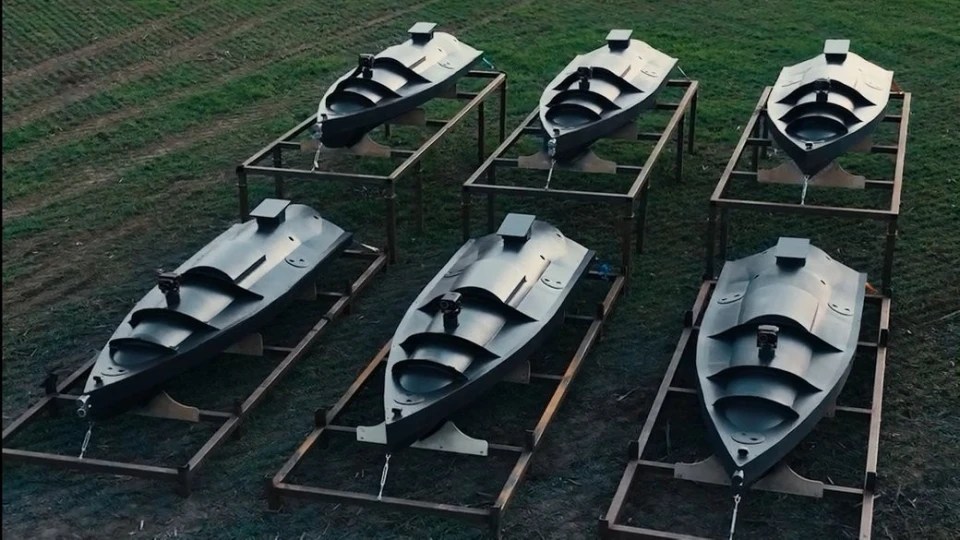
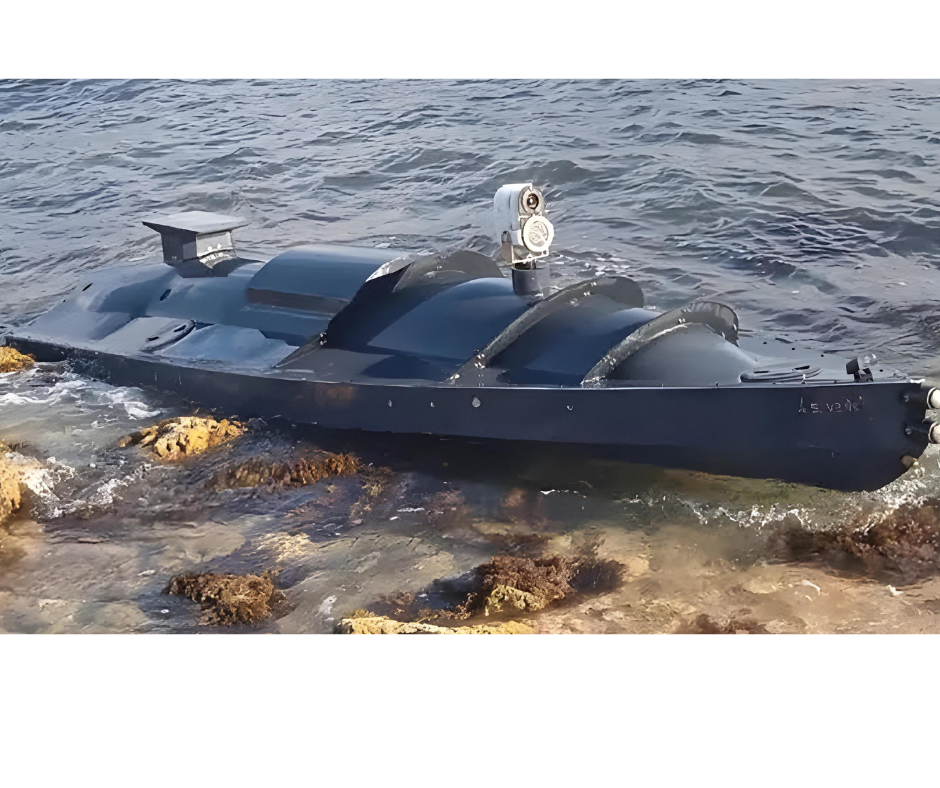
On February 1st, 2024, a scene ripped from science fiction unfolded in the Black Sea. Ukrainian forces unleashed a swarm of drone boats, sinking the Russian corvette Ivanovets in a daring attack. This event, documented in a captivating video released by Ukraine’s intelligence agency, has sent shockwaves through the military world, prompting crucial questions about the future of naval combat. Did this mark a paradigm shift in naval warfare, or is it more nuanced?
Beyond the captivating video, data paints a clearer picture. The Ivanovets, commissioned in 1989, was a Tarantul-class corvette armed with anti-ship missiles and anti-aircraft guns. While not the most modern vessel, it possessed significant firepower. Ukraine countered with six MAGURA V5 USVs, developed by the Ukrainian state enterprise “SpetsTechnoExport.” Each 5.5-meter boat boasted a 450 nautical mile range, impressive speed, and a 320kg payload capacity, making them agile and potentially lethal adversaries.
This attack highlights the asymmetric warfare potential of USVs. Unlike traditional warships costing billions, USVs like the MAGURA V5 are significantly cheaper and easier to produce. This allows smaller nations with limited resources to challenge established naval powers. Experts estimate a MAGURA V5 costs around $1 million, a fraction of the $250 million price tag of a Tarantul-class corvette.
Global & Local Impact: The implications extend far beyond the immediate conflict. This event showcases how readily available technology can empower smaller nations to disrupt established power structures. This has global implications, potentially altering naval strategies and prompting countries to invest in counter-drone technologies. Locally, it bolsters Ukrainian morale and demonstrates their ingenuity in adapting to the conflict.
Different Perspectives: While some hail this as a turning point, others urge caution. Critics argue that the older Ivanovets wasn’t a formidable opponent, highlighting the need for further testing against modern warships. Additionally, ethical concerns regarding autonomous weapons and potential escalation of conflicts arise. The sinking raises questions about the legal and ethical frameworks governing these weapons in the absence of international treaties.
Historical Context & Key Milestones: Drone warfare has seen rapid advancements in recent years. A key milestone was the US Navy’s 2016 deployment of a drone swarm to overwhelm a decommissioned frigate. However, the sinking of the Ivanovets marks the first instance of USVs taking down a functioning warship, potentially signifying a significant milestone. This event builds upon a trend of increasing USV adoption by various navies, including China, Israel, and the United Kingdom.
Evolution Over Time & Significant Figures/Events: The rise of USVs is fueled by advancements in AI, miniaturization, and battery technology. Dr. Robert Work, former Deputy Secretary of Defense under Obama, was a key figure advocating for their potential, leading to increased investments in drone technology. Additionally, Admiral John Richardson, former Chief of Naval Operations for the US Navy, emphasized the need for the US to adapt to the changing landscape of naval warfare, including the rise of USVs.
Current Challenges & Opportunities: Challenges include integrating USVs into existing naval doctrines, ensuring ethical use with proper human oversight, and addressing potential vulnerabilities to hacking or electronic warfare. Opportunities lie in their affordability, versatility in missions like mine countermeasures and reconnaissance, and the ability to overwhelm defenses with swarm tactics. Additionally, USVs can be deployed in perilous environments without risking human lives.
Future Predictions & Expert Insights: Experts predict widespread adoption of USVs across various navies, with advancements in autonomy and lethality blurring the line between manned and unmanned vessels. Dr. Johnathan Marcus, a naval analyst, cautions against overhyping this as a decisive turning point, but acknowledges the significant impact on future naval strategies. He emphasizes the need for navies to develop effective countermeasures and adapt their tactics to address the swarm threat.
Potential Impact: The potential impact is multifaceted. USVs could democratize naval power , altering the cost-benefit equation of warfare and necessitating new international regulations on autonomous weapons. They could also lead to unforeseen consequences, raising ethical dilemmas and potentially escalating conflicts. The legal and ethical frameworks governing these weapons will need to be addressed to ensure responsible use and prevent unintended consequences.
Expert Opinions from International Sources:
Russia:
Pavel Felgenhauer, independent military analyst: “While the sinking of the Ivanovets is undoubtedly a setback, it’s crucial not to overestimate its significance. The Ivanovets was an aging vessel, and the attack likely exploited specific vulnerabilities. I believe Russia will prioritize developing countermeasures against drone swarms to mitigate future threats.”
Igor Delanoë, retired Admiral: “This incident exposes critical gaps in our Black Sea defenses. We must invest in advanced anti-swarm technologies and improve our surveillance capabilities to prevent similar attacks in the future. Additionally, international discussions on regulating autonomous weapons are crucial to prevent an escalation of conflicts.”
Europe:
Franz-Stefan Gady, senior research fellow at the International Institute for Strategic Studies: “The Ukrainian attack demonstrates the potential of USVs to disrupt the status quo in naval warfare. However, European navies should focus on integrating USVs into existing strategies and doctrines, rather than simply mimicking this Ukrainian success. Indiscriminate use of autonomous weapons raises ethical concerns that require careful consideration.”
Dr. Claudia Major, research fellow at the German Institute for International and Security Affairs: “This event underscores the need for international cooperation on regulating autonomous weapons. We must establish clear frameworks to ensure responsible use, prevent proliferation, and mitigate the risks of unintended escalation.”
United States:
Michael O’Hanlon, senior fellow at the Brookings Institution: “The sinking of the Ivanovets serves as a wake-up call for the US Navy. We must accelerate our development of counter-drone technologies and adapt our tactics to address the evolving threat landscape. Additionally, fostering closer collaboration with allies like Ukraine to learn from their experiences is crucial.”
Captain (ret.) Sarah Westphal, former intelligence officer: “While the US has invested heavily in drone technology, the Ukrainian attack highlights the need for further innovation and adaptability. We must ensure our USVs are equipped with advanced payloads and capable of operating in complex environments.”
Specific Payload and Lethality: While the specific payload used in the MAGURA V5 USVs remains classified, experts offer educated guesses based on known information and similar systems:
Potential options: Anti-tank missiles, high-explosive warheads, shaped charges, or swarms of smaller kamikaze drones could be possibilities.
Lethality against modern warships: Effectiveness would depend on various factors like the specific payload, warship defenses, and attack tactics. Modern warships possuem sophisticated countermeasures like radar jamming, missile countermeasures, and close-in weapon systems (CIWS) that could significantly reduce the threat posed by USVs. However, swarm tactics could overwhelm defenses, and smaller, agile USVs might be difficult to track and intercept.
The Ukrainian military’s decision to keep the payload details classified suggests it might be a new or classified technology, adding to the element of surprise and potentially giving them an edge.
Future advancements in miniaturization and power density could lead to even more lethal payloads on USVs, posing a greater challenge to traditional warships.It’s important to remember that the full picture of the MAGURA V5’s capabilities and the specific payload used in the Ivanovets attack remains unclear.





Leave a comment